How Long Does Terrazzo Last? Exploring Its Durability and Lifespan

How Long Does Terrazzo Last? Exploring Its Durability and Lifespan
When choosing flooring materials, durability is often one of the most critical factors. Owners, designers, and developers all
seek materials that can stand the test of time while maintaining their aesthetic appeal and performance. Among the many
options available, terrazzo is widely recognized for its exceptionally long lifespan. But just how long can terrazzo last, and
what characteristics make it such a reliable material?
This article delves into the lifespan of terrazzo, the factors that affect its durability, and how proper maintenance can ensure its
performance endures for decades.
Understanding Terrazzo
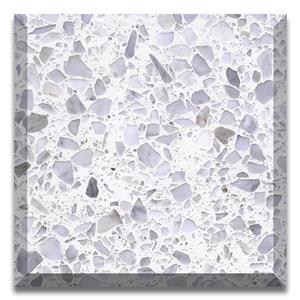
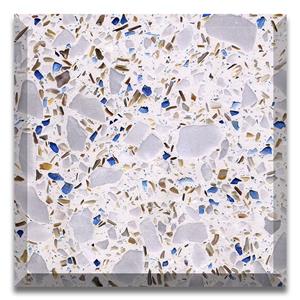
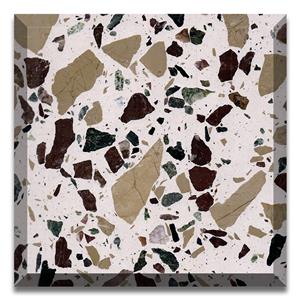
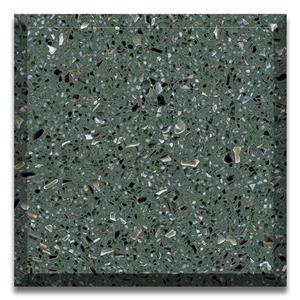
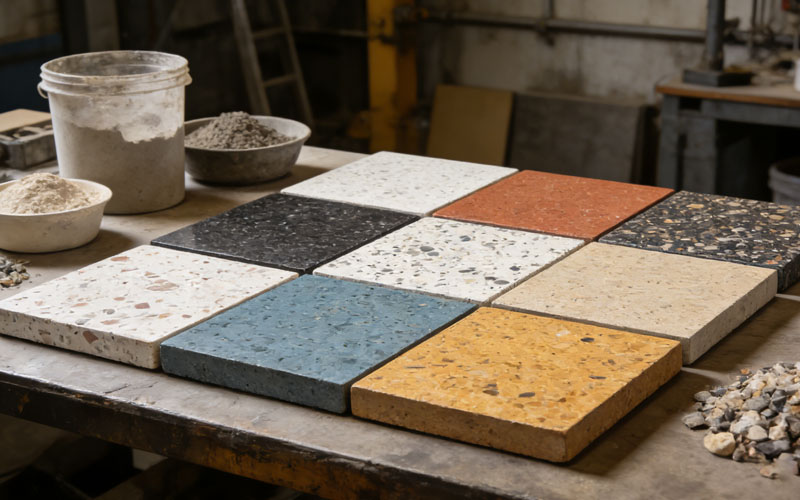
Before assessing its durability, it’s important to understand what terrazzo is. Terrazzo is a composite material made from
natural stone aggregates—such as marble, granite, or quartz—mixed with a cement-based binder. Once cured, the surface
is ground and polished to create a smooth, dense finish.
Because terrazzo is primarily composed of mineral materials, it forms a strong and stable structure. This unique composition
is a key reason why terrazzo is known for its long-lasting durability.
Average Lifespan of Terrazzo Flooring
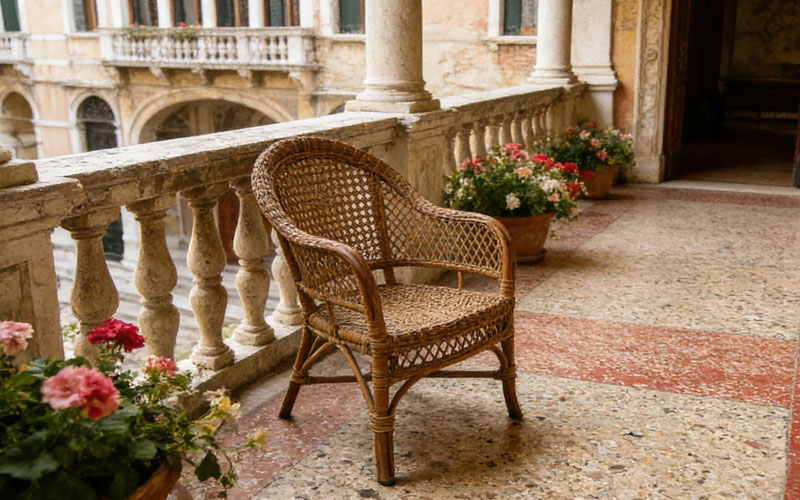
When installed correctly, terrazzo floors can easily last 50 years or more. In many cases, floors remain in excellent condition
well beyond this timeframe. Some buildings constructed in the early 20th century still feature their original terrazzo flooring
in good condition.
Compared to other flooring options, such as vinyl or engineered wood, terrazzo offers clear advantages for long-term value.
While many alternative materials require replacement within 10–20 years, terrazzo continues to perform reliably with
minimal issues.
Why Terrazzo Floors Are So Durable
1. Strong Material Structure
The durability of terrazzo stems from its dense internal structure. Once polished, the surface becomes hard and wear-resistant,
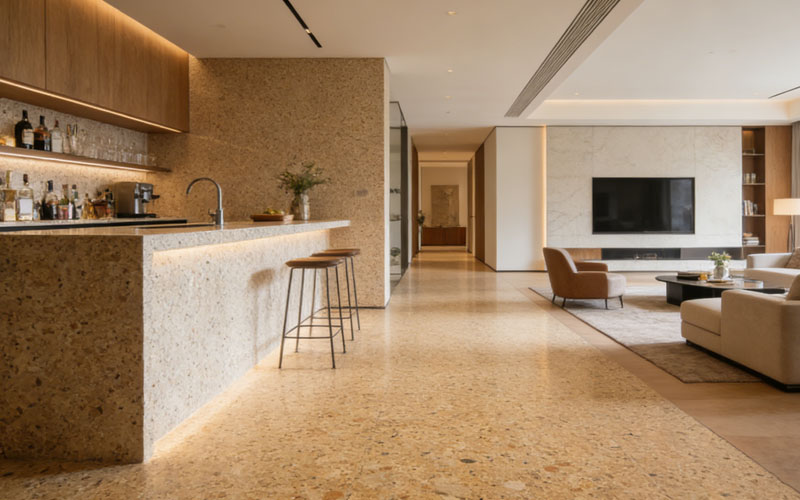
making it suitable for both residential and commercial applications. With ongoing innovations, terrazzo is now not only used for
flooring but also for walls and other surfaces, offering a diverse range of forms and applications.
2. Exceptional Resistance to Daily Wear
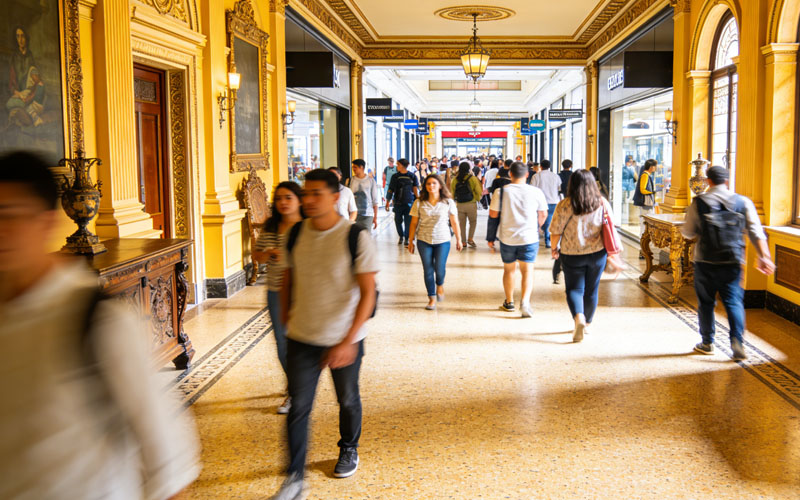
Terrazzo performs especially well in high-traffic areas. Compared to many other surfaces, it resists scratches, impacts,
and daily wear more effectively. This makes it ideal for commercial spaces, public buildings, and even busy residential areas.
3. Minimal Maintenance Requirements
Typically, simple routine cleaning is enough to keep terrazzo floors looking their best. With proper care, the surface maintains
its original beauty for decades without the need for frequent replacement.
The Importance of Proper Installation
The lifespan of a terrazzo floor depends not only on the material itself but also on the quality of installation. A well-prepared
substrate and professional installation ensure the floor remains stable for many years.
Improper installation can lead to cracking, uneven surfaces, or other issues. Working with experienced installers is crucial—
they understand the material’s properties and follow best practices to ensure long-term performance.
Maintenance and Cleaning
Regular maintenance is key to preserving terrazzo floors. Simple daily cleaning is usually sufficient. Using cleaning products
specifically formulated for terrazzo helps protect the surface from damage.
Avoid harsh chemicals or abrasive tools, as they can damage the polished finish. Periodic polishing can also restore the
floor’s shine, particularly in high-traffic areas.
Long-Term Value and Cost Efficiency
Although terrazzo may have a higher initial cost compared to some alternatives, its extended lifespan makes it a highly cost-effective
choice over time. Properly maintained terrazzo floors do not need frequent replacement, significantly reducing long-term
maintenance expenses.
In both residential and commercial settings, terrazzo’s durability translates into higher long-term value and minimal disruption
from repairs or renovations.
Conclusion
Among modern flooring options, terrazzo stands out as one of the most durable materials. Its lifespan can exceed 50 years,
providing a reliable solution for projects that demand long-term performance. By understanding the characteristics of terrazzo,
ensuring proper installation, and following simple maintenance routines, users can maximize the material’s longevity.
Whether used in homes, offices, or public spaces, terrazzo remains a practical and enduring choice for contemporary interior
design.