What Is Terrazzo? Types, Making Process & Uses
What Is Terrazzo? Types, Making Process & Uses
What Is Terrazzo?
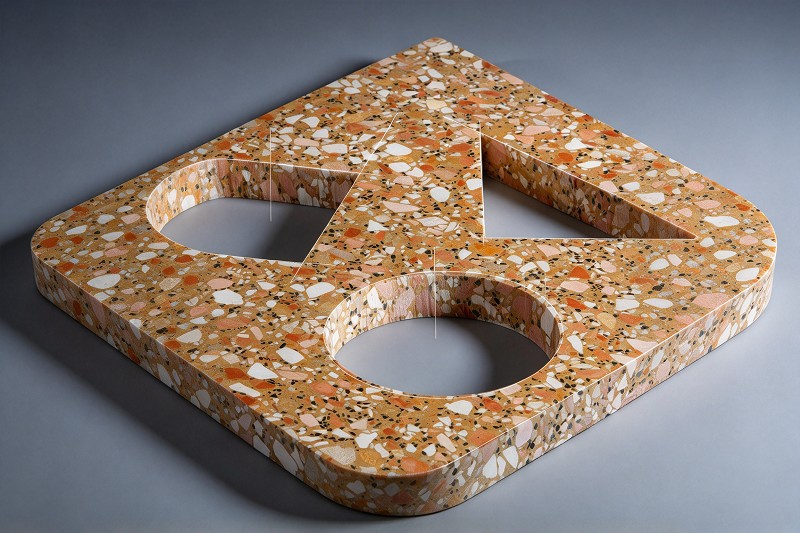
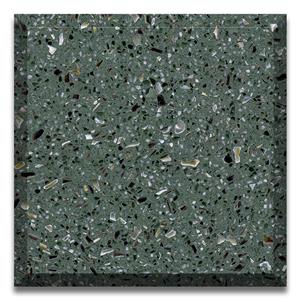
What is terrazzo? Terrazzo is a composite material made by combining stone aggregates with a binder.
Common aggregates include marble, granite, quartz, glass, and other decorative materials. After the mixture
hardens, workers grind and finish the surface to reveal the aggregates and create the final pattern.
Terrazzo has a long history in building design. Today, designers use it for floors, walls, stairs, countertops,
reception desks, and other interior features. Its colors, aggregate sizes, and surface finishes offer plenty
of design options for both commercial and residential projects.
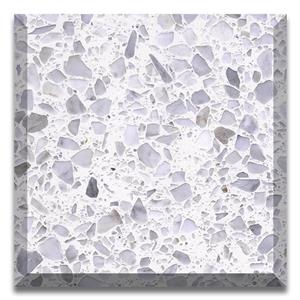
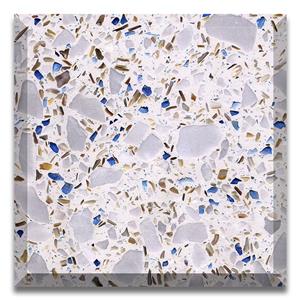
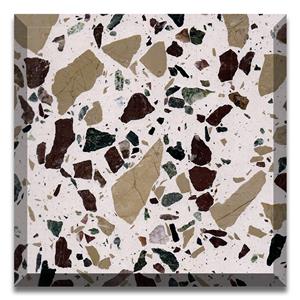
Manufacturers can also adjust the base color and aggregate mix to suit a project's design. This makes
terrazzo a practical choice when a space needs a consistent appearance across a large area.
How Is Terrazzo Made?
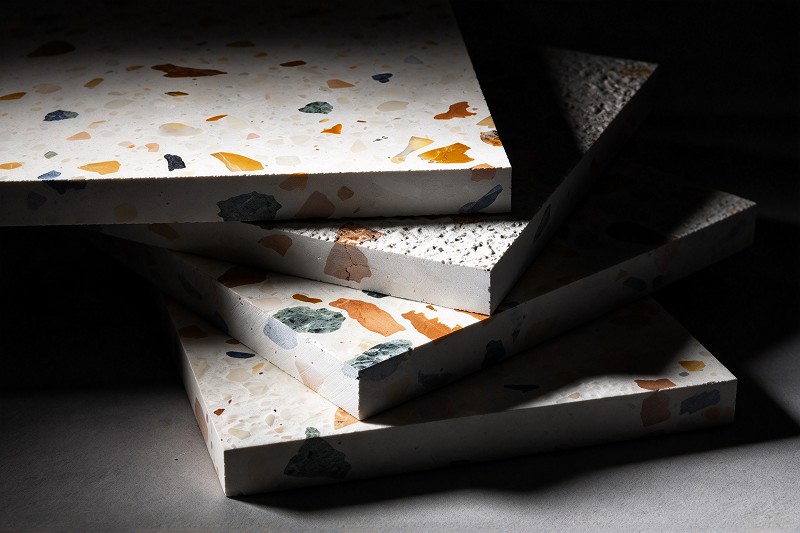
The terrazzo making process depends on the product type. However, most systems follow several basic steps.
1. Select the raw materials
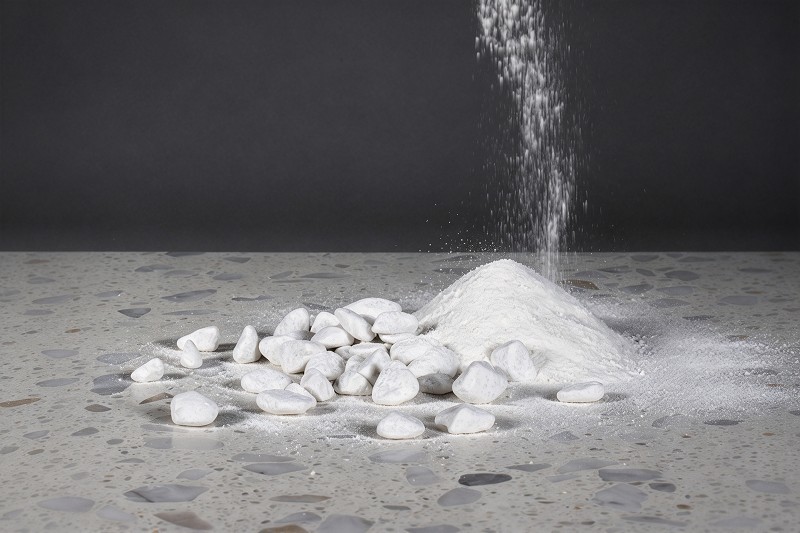
Manufacturers choose a binder and decorative aggregates. The binder holds the aggregates together, while
the aggregates create the visible pattern. Their size, color, and distribution all affect the final appearance.
2. Mix the materials
Workers combine the binder with the selected aggregates. The correct mixture helps distribute the stone
chips throughout the material and supports a consistent finish.
3. Cast or mold the terrazzo
The next step depends on the production method. For cast-in-place terrazzo, installers place the mixture
directly onto a prepared floor. For precast terrazzo tiles or slabs, manufacturers form the mixture into
individual units in a factory.
4. Allow the material to cure
The binder needs time to harden and develop its required properties. Manufacturers or installers follow
the curing process suited to the selected system.
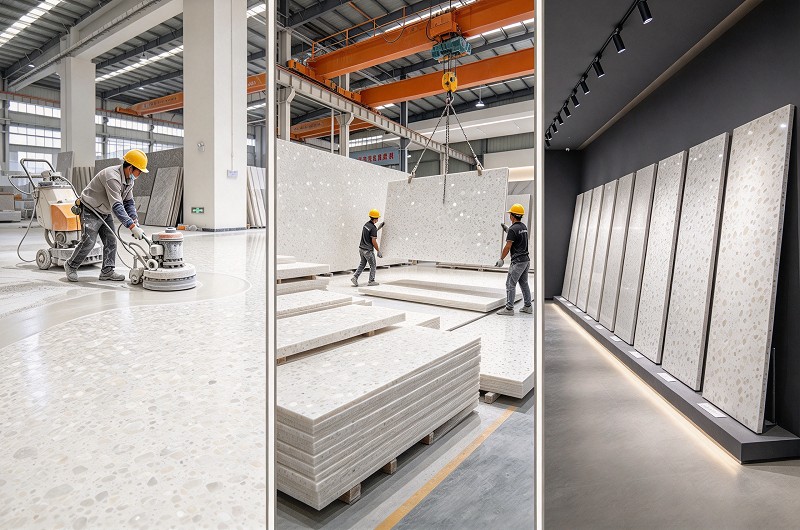
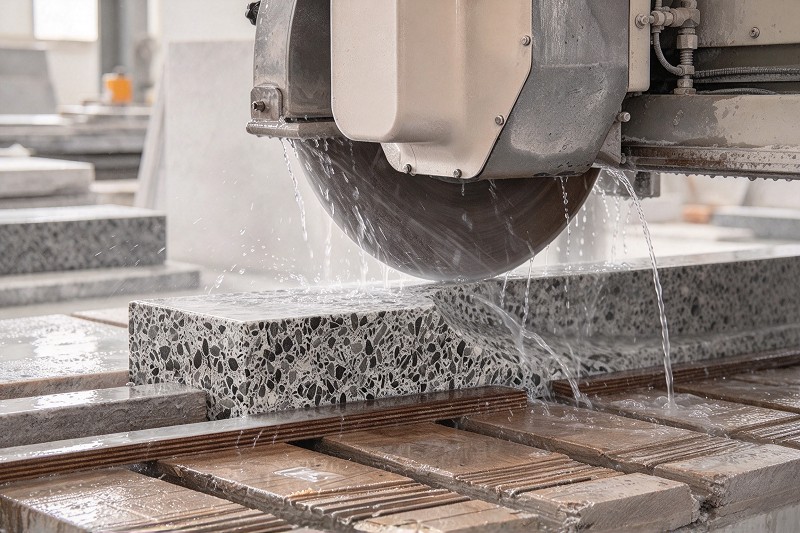
5. Grind and finish the surface
After curing, workers grind the surface to expose the aggregates. They then apply the required finish, such
as polished or honed. The final process determines the surface texture, sheen, and overall appearance.
Factory production also allows manufacturers to control mixing, molding, curing, and finishing under more
consistent conditions.
What Are the Main Types of Terrazzo?
Terrazzo comes in different forms. The main difference is how manufacturers produce it and how installers
place it on a building.
1. Cast-in-Place Terrazzo
Cast-in-place terrazzo is installed directly at the project site. Installers prepare the base, place the terrazzo
mixture, allow it to cure, and grind the surface to reveal the aggregates.
This method can create a continuous floor across a large area. Installers can also work with planned patterns,
color sections, and divider strips.
However, site conditions play an important role. Installation requires careful preparation, skilled workers,
suitable curing conditions, and coordination with the construction schedule. The project team must also
consider the substrate, joints, and floor layout.
Cast-in-place terrazzo is commonly used in large commercial interiors, public buildings, schools, airports,
and other spaces that need a continuous terrazzo surface.
2. Precast Terrazzo Tiles or Slabs
Precast terrazzo tiles or slabs are manufactured in a factory before they arrive at the project site. Manufacturers
form the material into specific sizes and thicknesses, then cure, grind, and finish the pieces before delivery.
This method gives project teams more control over product dimensions, colors, aggregate patterns, and surface
finishes. It also allows installers to place finished units without casting the entire floor on site.
Precast terrazzo works well for flooring, wall cladding, stairs, countertops, reception desks, and other architectural
details. Large slabs can help create a more continuous visual pattern with fewer joints, while tiles suit
modular layouts and smaller areas.
At Dongxing, we produce inorganic precast terrazzo slabs using a cement-based binder and natural stone
aggregates. Our factory process includes mixing, molding, curing, grinding, and surface finishing. Project teams
can select suitable sizes, thicknesses, colors, and finishes according to the intended application.
3. Cement-Based and Resin-Based Terrazzo
Terrazzo can also be classified by its binder.
Cement-based terrazzo uses a cement binder to hold the aggregates together. It can be installed on site or
manufactured as precast tiles and slabs. Inorganic terrazzo belongs to this broad cement-based category.
Resin-based terrazzo uses a resin binder. Its properties, installation methods, and suitable applications differ
from those of cement-based systems.
Buyers should not assume that all terrazzo products have the same composition. Before specifying a product,
confirm the binder type, product format, technical data, and installation requirements.
Where Is Terrazzo Used?
Terrazzo suits a wide range of spaces, but the right product depends on the intended use.
Commercial floors: Shopping centers, hotels, offices, restaurants, and retail stores often use terrazzo flooring
because designers can coordinate its colors and aggregate patterns with the wider interior scheme. For high-traffic
areas, project teams should also check wear performance, maintenance needs, and slip resistance.
Public buildings: Airports, schools, hospitals, and transport facilities may use terrazzo for floors, stairs, and selected
wall surfaces. Large areas require careful planning for color consistency, joints, installation, and long-term maintenance.
Walls and feature surfaces: Precast terrazzo slabs can cover interior walls, reception areas, and decorative panels.
Large-format pieces can help the pattern flow across a wider surface.
Stairs and countertops: Terrazzo can also be made into stair treads, risers, countertops, vanity tops, and reception
desks. The product thickness, edge details, support, and finish should suit each application.
Residential interiors: Homeowners may choose terrazzo for kitchens, bathrooms, living areas, and entrance floors.
The aggregate mix and base color can create a subtle look or a more noticeable decorative pattern.
How Do You Choose the Right Terrazzo?
Start with the application. A busy shopping center floor has different requirements from a bathroom wall or a
reception counter.
Next, consider the product format. Cast-in-place terrazzo may suit projects that need a continuous floor installed
on site. Precast terrazzo tiles or slabs may be more suitable when the project needs factory-finished units, specific
dimensions, or use on walls and other surfaces.
You should also check the following factors:
Appearance: Choose the base color, aggregate size, and pattern to match the design.
Surface finish: Polished, honed, and textured finishes create different visual effects and surface characteristics.
Dimensions and thickness: Match the slab or tile size to the application, support, handling, and installation method.
Technical requirements: Review relevant test data, cleaning requirements, and slip-resistance standards where applicable.
Supply and installation: Confirm quantities, lead times, packaging, delivery, and the installation method before ordering.
Reviewing these details early can help reduce material mismatches and avoid unnecessary changes during construction.
Final Thoughts
Terrazzo combines a binder with decorative aggregates to create a durable, customizable surface. Manufacturers can
produce it as cast-in-place flooring or as precast terrazzo tiles and slabs. Each method offers different benefits in
terms of installation, design, and application.
Understanding what terrazzo is, how manufacturers make it, and where each type works best helps architects, designers,
contractors, and buyers make informed decisions.
At Dongxing, we manufacture inorganic precast terrazzo slabs for projects that require specific colors, aggregate patterns,
dimensions, and surface finishes. By discussing the intended application and project requirements at an early stage, we can
help buyers identify a suitable terrazzo product for their needs.