Artificial Limestone vs. Natural Limestone: Which Is Better for Wall Cladding?
Artificial Limestone vs. Natural Limestone: Which Is
Better for Wall Cladding?
Choosing the right stone for a wall is not only about appearance. For architects, designers, contractors, and
material buyers, factors such as consistency, installation, maintenance, weight, and project requirements can
be just as important.
When comparing artificial limestone with natural limestone, there is no single answer for every project. Both
materials have their place. The better choice depends on the design, project scale, performance requirements,
and the level of consistency needed.
At Dongxing, we work with both natural stone and manufactured stone materials. In this article, we will look
at the practical differences between the two and explain where each option makes more sense for wall cladding.
What Is Natural Limestone?
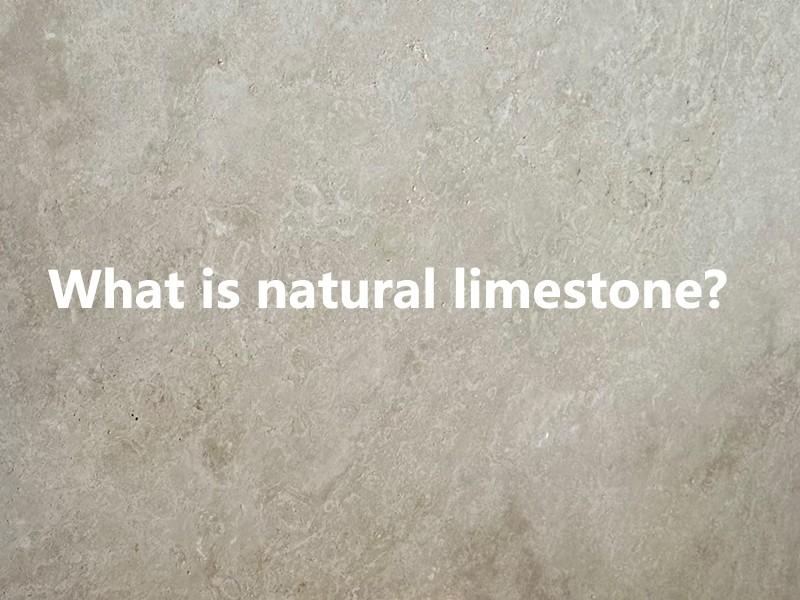
Natural limestone is a sedimentary stone formed over a very long period of time. Its color and texture come
from natural minerals, shells, fossils, and other materials within the stone.
This gives every block and slab a slightly different appearance.
Natural limestone is often chosen for its authentic stone character. Small variations in color, grain, pores, and texture
are part of its appeal. For projects that want a strong connection with natural materials, this can be a major advantage.
However, these natural differences also mean that matching pieces across a large wall can take more planning.
The stone may also vary from one quarry block to another. Before ordering a large quantity, it is important to check
actual samples and confirm that the material can meet the visual requirements of the project.
What Is Artificial Limestone?
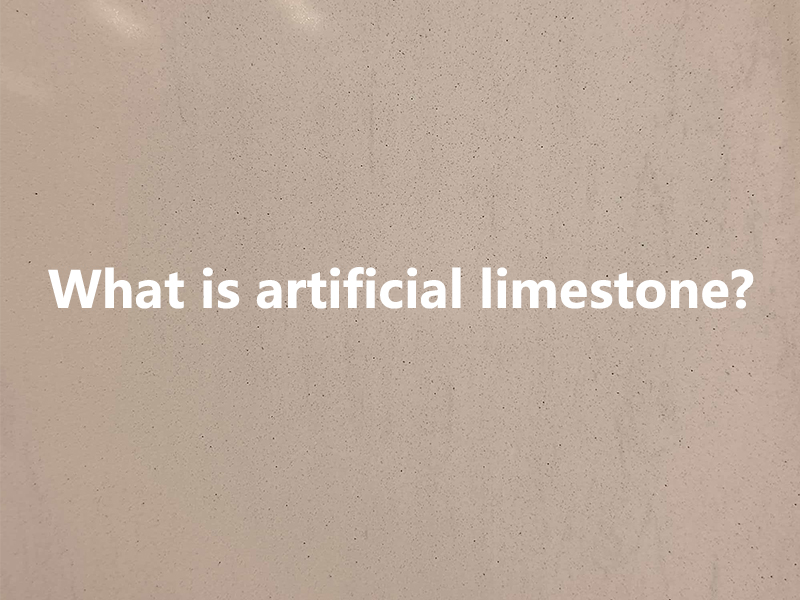
Artificial limestone is a manufactured material designed to reproduce the appearance and texture of natural limestone.
Instead of being cut directly from a natural quarry block, the material is produced under controlled factory
conditions. This allows manufacturers to manage the color, surface texture, aggregate distribution, and overall
appearance more consistently.
For wall applications, this can be useful when a project needs a large quantity of material with a similar visual effect.
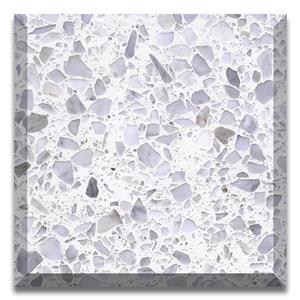
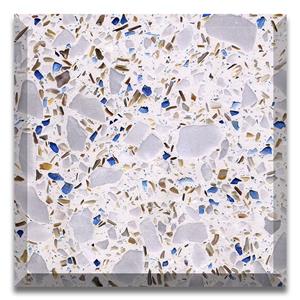
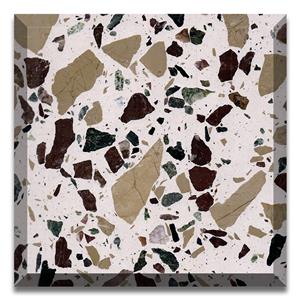
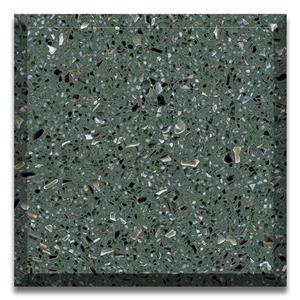
At Dongxing, our artificial limestone collection includes finishes inspired by well-known limestone looks,
such as Arabescato, France Beige, Volakas, and Portugal Beige.
The goal is not to make the material look identical in every piece. Instead, the production process allows
us to control the overall color and texture range while keeping the natural-looking character that designers
often want.
Artificial Limestone vs. Natural Limestone: Key Differences
1. Appearance and Consistency
Natural limestone has a genuine variation that is difficult to reproduce. No two quarry blocks are exactly the same.
That is a benefit when the design calls for a natural and varied surface.
Artificial limestone offers more control. When a commercial project requires hundreds or thousands
of square meters of wall material, maintaining a consistent design direction can be easier with a
manufactured product.
For large hotels, retail spaces, offices, and other commercial interiors, this consistency can simplify
material selection and installation planning.
2. Design Control
Natural stone gives designers a starting point based on what the quarry can provide.
With manufactured stone, the production process gives more room to control the final appearance.
Color, aggregate, surface treatment, and pattern can be developed around the design requirements.
This is especially useful when the project has a specific beige, cream, or light-grey color range that
needs to be repeated across different areas.
For limestone wall panels, this can make the material easier to coordinate with flooring, countertops,
furniture, and other interior finishes.
3. Large Project Supply
Supply is an important consideration that is sometimes overlooked during the design stage.
A natural limestone may look perfect on a sample board, but the next question is whether the same stone
can be supplied in the required quantity and visual range.
For a small feature wall, this may not be a major issue.
For a large commercial project, however, stable supply and consistent appearance become much more
important. Manufactured artificial limestone wall panels can be a practical option when the project needs
a controlled visual result over a large area.
4. Installation and Material Planning
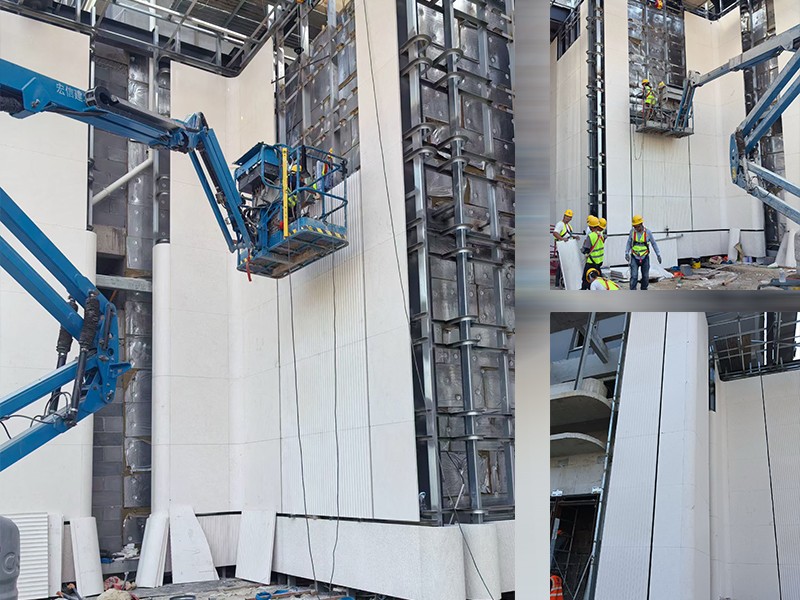
Both materials require proper installation. The wall structure, substrate, panel size, fixing method, joints,
and site conditions all need to be considered before installation.
Natural limestone can have differences in thickness, color, and surface structure depending on the product.
Manufactured panels can provide more controlled dimensions, which may help with production planning
and installation.
But this does not mean that artificial limestone can be installed without technical planning. The correct fixing
system should always be selected according to the panel specification, wall structure, panel size, and actual
project conditions.
Which One Is Better for Wall Cladding?
The answer depends on the project.
Choose natural limestone when:
Natural variation is an important part of the design.
The project wants genuine quarried stone.
The available quarry material matches the required color and texture.
The project is relatively small or can accept natural variation.
Consider artificial limestone when:
A large quantity of material is required.
The project needs a more consistent visual appearance.
The design requires a specific color or surface style.
Material supply and repeatability are important.
Designers want a limestone look with more control over production.
Neither material should be considered universally better. The right decision comes from matching the material
to the project requirements.
What Should You Check Before Ordering?
Before selecting a material for stone wall cladding, we recommend looking beyond the sample.
First, check the actual project quantity. A material that works well for 50 m² may require a different
supply strategy for 2,000 m².
Second, review several samples rather than only one piece. This is particularly important when comparing
natural and manufactured stone because the acceptable variation can be very different.
Third, confirm the panel dimensions, thickness, weight, surface finish, fixing method, and installation requirements.
Finally, ask the manufacturer how the material is produced and how repeat orders are controlled. For large
projects, production consistency can be just as important as the appearance of the first sample.
Our View as a Stone Manufacturer
From our experience, the question should not be simply “natural or artificial?”
A better question is: Which material gives this project the right balance of appearance, supply, consistency,
and installation requirements?
Natural limestone remains an excellent choice when its natural character is central to the design. Manufactured
limestone becomes more attractive when a project needs greater control and a stable visual direction across
a larger area.
For modern interiors, hotel walls, commercial spaces, feature walls, and other projects using limestone
wall cladding, both materials can work well when they are selected for the right reasons.
At Dongxing, we can provide both natural stone and manufactured limestone solutions, allowing project
teams to compare materials based on the actual design and application rather than choosing only by
appearance.

FAQ
Is artificial limestone real stone?
No. Artificial limestone is a manufactured material designed to reproduce the appearance and texture of
natural limestone. It should not be described as quarried natural limestone.
Is artificial limestone suitable for wall cladding?
It can be suitable for wall applications when the product specification, panel size, fixing system, substrate,
and project conditions are appropriate. Always confirm the installation requirements with the manufacturer.
Which is more consistent, natural or artificial limestone?
Manufactured limestone generally offers greater control over color and appearance. Natural limestone has
inherent variation because it comes directly from natural stone blocks.
Is natural limestone better than artificial limestone?
Not necessarily. Natural limestone offers genuine natural variation, while manufactured limestone can offer
greater consistency and production control. The better choice depends on the project.
Final Thoughts
Natural limestone and artificial limestone serve different needs.
If the main goal is authentic natural variation, natural limestone has a clear advantage. If the project needs
a controlled appearance, repeatable production, and a stable visual effect across a large wall area, manufactured
limestone may be worth considering.
The best wall material is not simply the one that looks good in a sample. It is the one that continues to work
when the project moves from design drawings to production, delivery, and installation.