How Terrazzo Slab Is Made: From Raw Materials to Finish

How Terrazzo Slab Is Made: From Raw Materials to Finish
Introduction: Understanding Terrazzo in Modern Construction
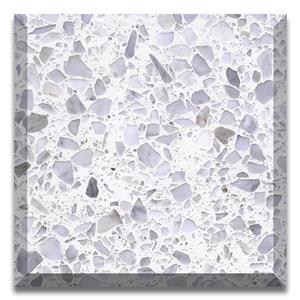
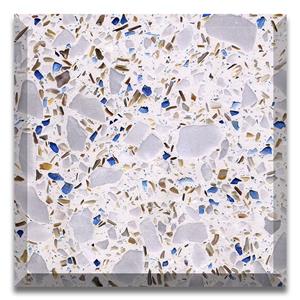
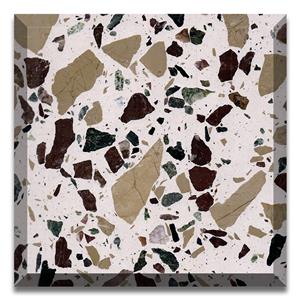
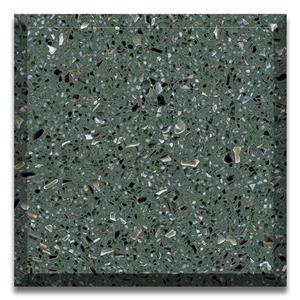
Terrazzo slab is a durable architectural surface made from natural stone chips, cement, and inorganic
binders, widely used in modern construction and flooring systems.
But many people still ask what is terrazzo and how a terrazzo slab is actually manufactured from raw
materials into a finished architectural product.
Terrazzo is a composite material made by combining marble, quartz, granite chips with a cement-based
or inorganic binder. After curing, grinding, and polishing, it becomes a smooth and decorative surface
widely used in commercial and residential projects.
As a long-time producer in the stone industry, we at Dongxing Group have seen how factory-made systems
have transformed traditional craftsmanship into industrial precision.
Raw Material Selection: The First Step of Quality Control
In real manufacturing, everything starts with raw materials. A stable product depends on strict selection
and grading.
Typical ingredients include:
High-quality marble and granite aggregates
Inorganic cement or eco-friendly binders
Mineral pigments for color control
Additives for strength and workability
At Dongxing Group, every batch of aggregates is tested before entering production. This ensures color
stability and structural consistency across every project.
Even small variations in raw materials can affect the final surface appearance and mechanical performance
of a terrazzo slab, especially for large-scale commercial installations.
Precise Mixing: Where Engineering Begins
After selection, materials are proportioned and mixed under controlled conditions.
This stage is critical because it defines the internal structure of the final product:
Automated batching systems ensure accuracy
Aggregates are evenly distributed
Pigments are blended for uniform tone
Unlike traditional on-site mixing, factory production eliminates human inconsistency. This is one of the
key reasons why architects prefer factory-controlled systems for large buildings.
A well-balanced mixture ensures that each terrazzo slab performs consistently in strength, density, and
visual texture.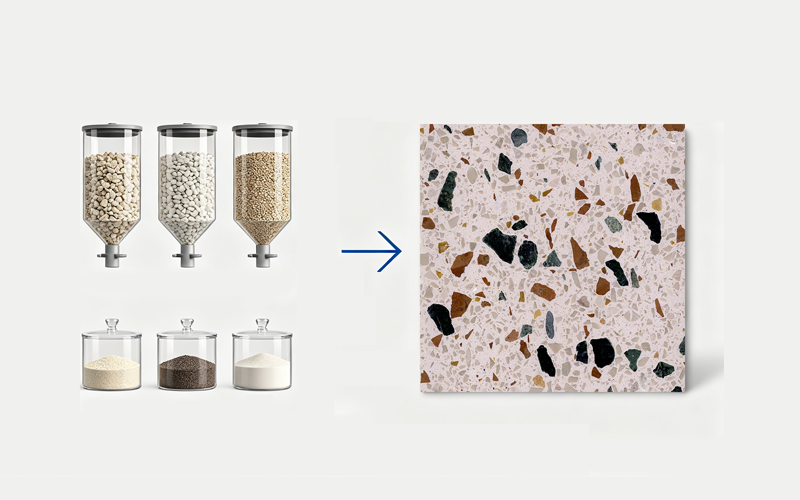
Molding and High-Pressure Forming
Once mixed, the material is poured into steel molds. The slab formation process includes several industrial steps:
High-frequency vibration to remove air pockets
Vacuum compression for density improvement
Hydraulic pressing for structural stability
This stage determines the mechanical strength of the product. Without proper compaction, internal
voids may appear, leading to cracking or surface defects later.
In modern production lines, precision machinery ensures every slab has uniform thickness and density,
which is essential for architectural applications.
Curing: The Silent Strength Development Stage
After molding, slabs are moved into a controlled curing environment.
Depending on the production system, curing may involve:
Natural curing under controlled humidity
Steam curing for faster strength development
During this phase, the binder gradually hardens and bonds with aggregates. This is where the internal
strength of the material is formed.
Proper curing ensures:
High compressive strength
Dimensional stability
Long-term durability
In industrial practice, rushing this stage often leads to weak performance. Experienced manufacturers
always prioritize time and environmental control.
Grinding and Polishing: Revealing the Surface Beauty
Once fully cured, slabs undergo surface processing.
The steps include:
Rough grinding to expose stone chips
Fine grinding for surface leveling
Polishing for gloss and texture control
This is the stage where the material transforms from a raw industrial product into a decorative architectural surface.
Different finishes can be achieved depending on design requirements—matte, honed, or high-gloss. This
flexibility makes terrazzo suitable for both luxury interiors and high-traffic commercial environments.
Quality Inspection and Factory Standards
Before leaving the factory, every slab must pass strict quality inspections:
Thickness accuracy testing
Surface flatness measurement
Color consistency review
Strength and density checks
As a professional terrazzo manufacturer, Dongxing Group applies industrial-grade quality control systems to
ensure each batch meets international construction standards.
This step is essential for large projects where consistency is more important than individual aesthetics.
Application in Modern Architecture
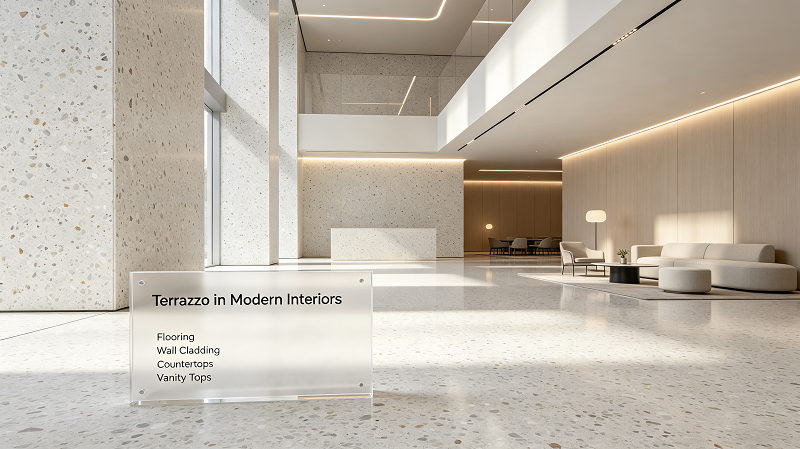
Today, terrazzo is widely used in global construction. One of its most popular uses is terrazzo flooring, especially
in high-traffic public spaces.
Common applications include:
Airports and transportation hubs
Hotel lobbies and corridors
Shopping malls and retail stores
Modern residential interiors
Its durability, design flexibility, and low maintenance make it a preferred material for architects and developers
worldwide.

Why Factory-Made Terrazzo Slabs Matter
Compared with traditional poured systems, prefabricated slabs offer clear advantages:
Stable color consistency
Faster on-site installation
Reduced construction waste
Higher structural reliability
This industrial approach allows designers to achieve both efficiency and design precision in large-scale projects.
Conclusion
From raw materials to final polishing, terrazzo production is a carefully controlled industrial process
combining material science and craftsmanship.
Understanding what is terrazzo helps designers and contractors make better material choices for long-term |
performance and sustainability.
Today, the modern terrazzo slab represents not only a decorative surface but also a result of advanced
manufacturing technology and strict quality control systems developed by experienced producers like
Dongxing Group.