Why Architects Choose Inorganic Terrazzo for Modern Architecture

Why Inorganic Terrazzo Is Becoming the Preferred Choice for Architects
As modern architecture continues to evolve, architects are seeking materials that combine aesthetics,
durability, sustainability, and long-term value. Among the many options available today, terrazzo has
emerged as one of the most preferred materials for large-scale commercial, institutional, and residential
projects.
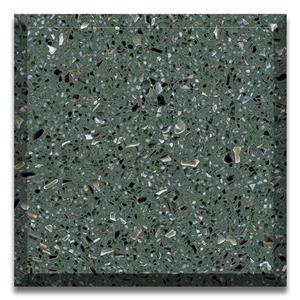
Before exploring its benefits, many designers first ask, what is terrazzo? Terrazzo is a composite material
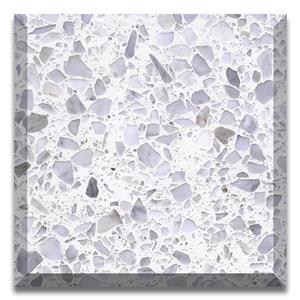
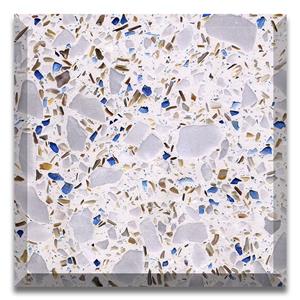
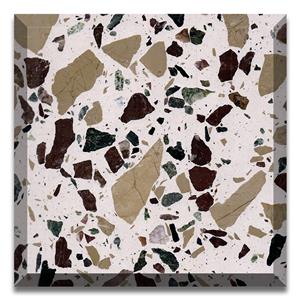
made from decorative aggregates such as marble, granite, quartz, glass, or shells bound together with a
cementitious or resin-based matrix. In recent years, inorganic terrazzo has gained popularity because of
its exceptional performance and environmental advantages compared to traditional materials.
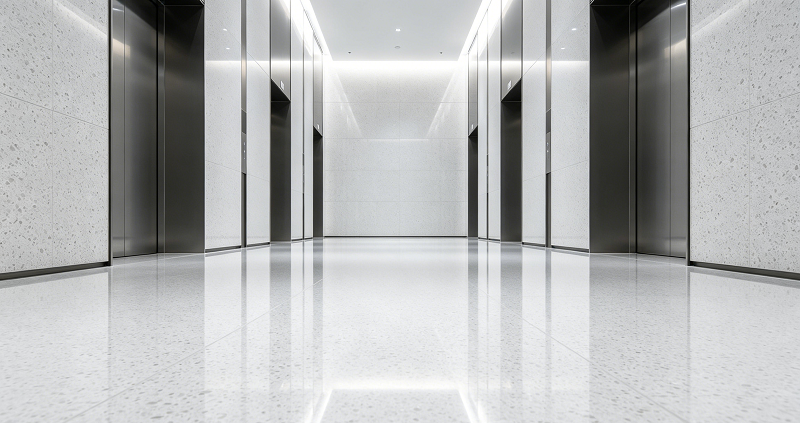
From luxury hotels and shopping malls to airports and office buildings, architects increasingly specify
terrazzo flooring and wall applications to achieve both visual appeal and long-term durability.
What Is Terrazzo?
Inorganic terrazzo is a type of engineered stone manufactured using natural stone aggregates and inorganic
binders. Unlike resin-based terrazzo, terrazzo relies on cement-based technology, making it highly
resistant to fire, UV exposure, and aging.
A professional terrazzo manufacturer uses advanced production technologies such as vacuum pressing,
high-frequency vibration, and high-pressure molding to create dense, durable slabs suitable for a wide
range of architectural applications.
Today, terrazzo is available in various colors, aggregate sizes, finishes, and formats, allowing architects to
create unique and customized design solutions.
Outstanding Design Flexibility
One of the main reasons architects choose inorganic terrazzo is its unmatched design flexibility.
Modern terrazzo design allows for almost unlimited customization. Designers can select aggregate colors,
particle sizes, background colors, and surface finishes to create distinctive visual effects.
Whether the project requires a minimalist aesthetic, a luxury appearance, or a contemporary commercial
environment, inorganic terrazzo can be tailored to meet specific design requirements.
Popular terrazzo design applications include:
Large-format flooring
Feature walls
Reception counters
Staircases
Bathroom surfaces
Retail interiors
Hotel lobbies
Because terrazzo can be manufactured in customized dimensions, architects have greater freedom when
designing seamless and visually striking spaces.
Exceptional Durability for High-Traffic Areas
Durability is a critical factor in architectural material selection.
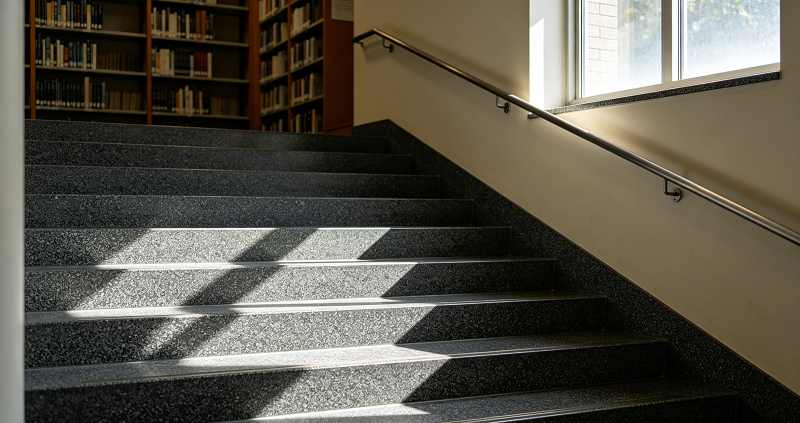
Compared with many natural stones and alternative surface materials, terrazzo flooring offers superior wear
resistance. Its dense structure helps withstand heavy foot traffic without significant deterioration.
This makes inorganic terrazzo particularly suitable for:
Airports
Shopping centers
Schools
Universities
Hospitals
Office buildings
Transportation hubs
When properly installed and maintained, terrazzo flooring can remain functional and attractive for decades, making
it one of the most cost-effective long-term flooring solutions.
Superior Fire Resistance
Fire safety requirements have become increasingly important in modern construction.
One significant advantage of inorganic terrazzo is its non-combustible composition. Since it contains cement-based
binders rather than organic resins, it demonstrates excellent fire resistance and low smoke emissions.
For architects working on public infrastructure, healthcare facilities, educational buildings, and commercial
developments, this characteristic provides additional peace of mind and compliance with building safety regulations.
As sustainability and safety standards continue to evolve, terrazzo remains an attractive specification choice.
Sustainable Building Material
Sustainability is no longer optional in modern architecture.
Many leading architects prioritize materials that contribute to green building certifications and
environmental responsibility. Inorganic terrazzo aligns perfectly with these goals.
A responsible terrazzo manufacturer often incorporates recycled materials such as:
Recycled marble
Recycled granite
Recycled glass
Recycled shell fragments
Additionally, the long lifespan of terrazzo reduces replacement frequency, helping minimize construction
waste over time.
The use of natural raw materials and environmentally conscious manufacturing processes makes terrazzo
a preferred material for sustainable building projects worldwide.
Low Maintenance Requirements
Maintenance costs play a significant role in lifecycle building expenses.
Unlike some flooring materials that require frequent replacement, sealing, or intensive maintenance,
terrazzo flooring offers a relatively low-maintenance solution.
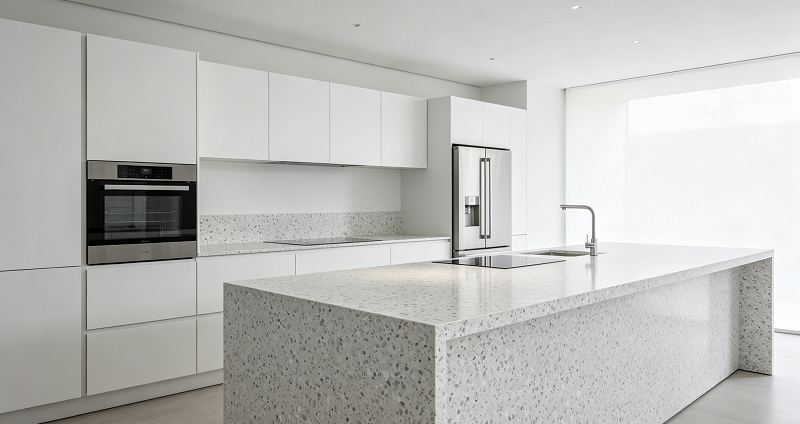
Its dense and non-porous surface helps resist stains, moisture penetration, and daily wear. Routine cleaning
is typically sufficient to maintain its appearance.
For commercial property owners and facility managers, this translates into lower operational costs and
improved long-term value.
Consistent Quality and Appearance
Natural stone is beautiful but often presents variations in color, veining, and texture.
In contrast, inorganic terrazzo provides greater consistency across large installations.
An experienced terrazzo manufacturer carefully controls raw material selection and production parameters
to ensure:
Uniform color distribution
Consistent aggregate exposure
Stable dimensions
Reliable performance
This consistency is particularly important for large-scale projects where visual continuity is essential.
Architects appreciate the ability to achieve predictable results while maintaining the natural beauty of
stone aggregates.
Versatile Applications Beyond Flooring
Although many people associate terrazzo primarily with flooring, its applications extend far beyond
traditional surfaces.
Modern terrazzo design includes:
Terrazzo Walls
Decorative wall panels create visually impactful interiors while maintaining durability.
Reception Desks
Custom terrazzo reception counters provide a premium appearance in hospitality and commercial spaces.
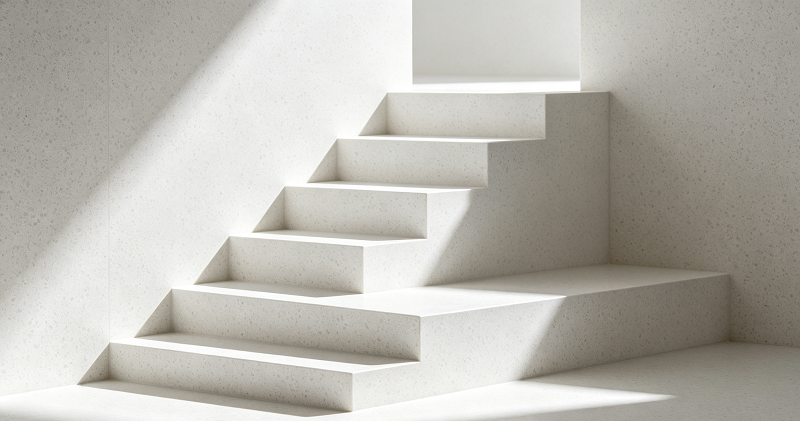
Staircases
Terrazzo stairs combine elegance with excellent wear resistance.
Bathroom Applications
The material's moisture resistance makes it suitable for vanity tops and wall cladding.
Furniture and Decorative Elements
Designers increasingly use terrazzo in tables, benches, and custom architectural features.
This versatility allows architects to maintain a cohesive design language throughout an entire project.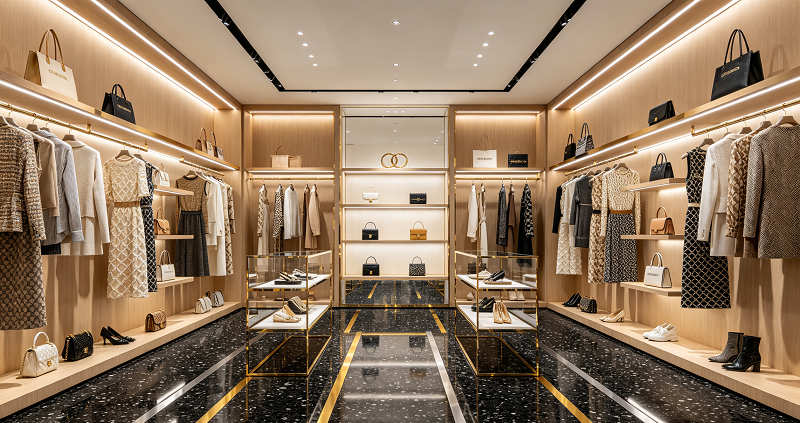
Cost Efficiency Over the Building Lifecycle
Initial material cost is only one part of the overall investment.
When evaluating total lifecycle expenses, inorganic terrazzo often proves highly economical due to its:
Long service life
Low maintenance requirements
Excellent durability
Reduced replacement frequency
Although some alternative materials may have lower upfront costs, their maintenance and replacement
expenses can significantly exceed those of terrazzo over time.
For large commercial developments, lifecycle value often becomes a decisive factor in material selection.
Partnering with the Right Terrazzo Manufacturer
The performance of any terrazzo project depends heavily on manufacturing quality.
A reliable terrazzo manufacturer should provide:
Advanced production technology
Strict quality control
Customized design capabilities
Consistent product performance
International project experience
Architects and developers should evaluate suppliers carefully to ensure the finished product meets
both aesthetic and technical requirements.
Working with an experienced manufacturer helps guarantee project success from design development
through final installation.
Conclusion
As architectural projects become increasingly focused on sustainability, safety, durability, and aesthetics,
inorganic terrazzo continues to gain recognition as a premium building material.
From customized terrazzo design solutions to high-performance terrazzo flooring, the material
offers a unique combination of beauty and functionality. Its fire resistance, environmental benefits,
low maintenance requirements, and exceptional lifespan make it a compelling choice for architects
around the world.
Whether designing airports, hotels, commercial centers, educational facilities, or luxury residences,
architects consistently turn to terrazzo as a versatile and future-ready solution. By partnering with
an experienced terrazzo manufacturer, project teams can achieve both outstanding visual results
and long-term performance that meets the demands of modern architecture.