Terrazzo Flooring: A Sustainable Choice for Modern Spaces
Is Terrazzo Flooring a Sustainable Choice for Modern Architecture?
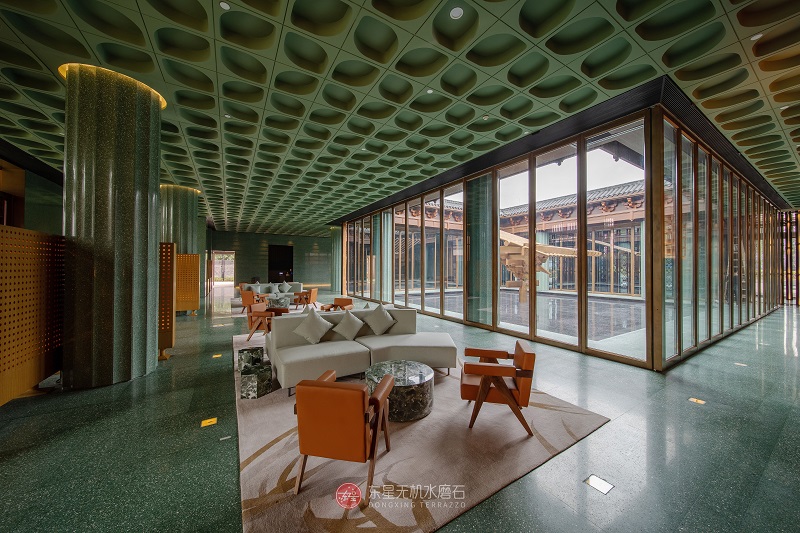
Sustainability is becoming an important consideration in modern architecture and interior design. When selecting building materials, architects, designers, and contractors look beyond appearance and initial cost. They also consider where materials come from, how they are manufactured, how long they last, and what resources are needed to maintain them.
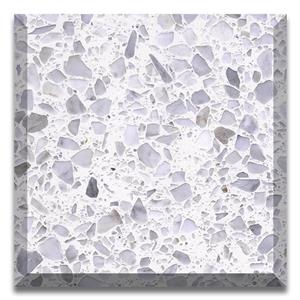
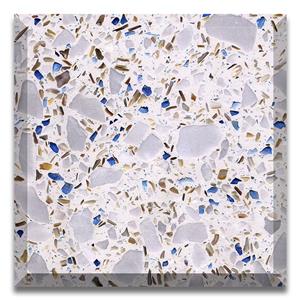
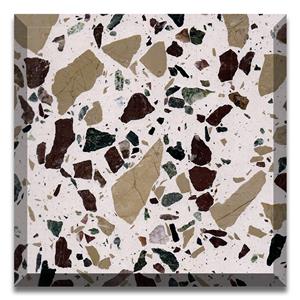
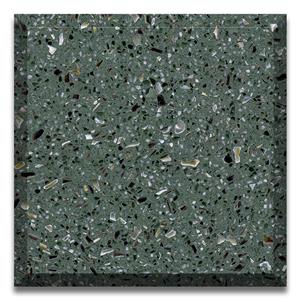
Terrazzo flooring has been used in commercial and public buildings for generations. Its distinctive surface combines decorative aggregates with a binder, creating a wide range of colors, patterns, and textures.
However, is terrazzo really an environmentally friendly material?
1. Understanding Terrazzo Stone and Its Composition
Cement-based terrazzo uses cement or other mineral-based materials as the primary binder. Because its main binding system is mineral-based, it is generally classified as inorganic terrazzo.
Resin-based terrazzo uses epoxy or polyester resin to bind the aggregates. It offers different design and performance characteristics and is used in various decorative applications.
This distinction matters when comparing terrazzo stone products. Two surfaces may look similar but have different compositions. It is also important to separate material composition from manufacturing method. Terrazzo can be cast in place at a construction site or manufactured as precast slabs in a factory. Precast does not automatically mean inorganic, and cast-in-place terrazzo is not always cement-based. The binder determines the material classification.
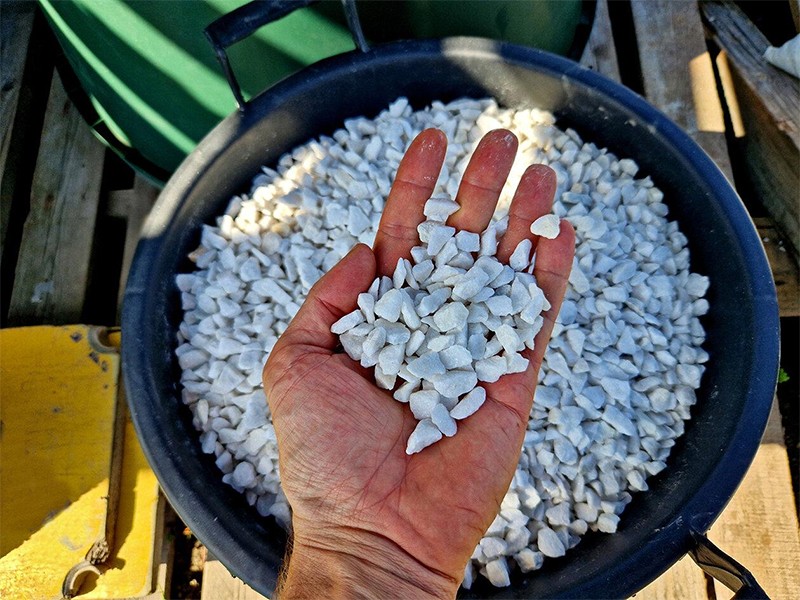
2. How Manufacturing Processes Affect Sustainability
The environmental performance of terrazzo flooring is influenced by both its raw materials and its manufacturing process.
The production of cement-based precast terrazzo generally involves several stages: raw material selection, mixing, molding, forming, curing, grinding, polishing, and quality inspection. Each stage affects the final product.
Careful raw material selection helps control aggregate quality and color consistency. Accurate mixing supports an even distribution of aggregates, while suitable forming and curing conditions help the material develop its required properties. Grinding and polishing reveal the decorative particles and create the specified surface finish.
At Dongxing, we manufacture inorganic terrazzo slabs using a cement-based binder system and selected stone aggregates. Our production process includes high-frequency vibration and vacuum high-pressure forming. These methods help create dense, consistent slabs and control aggregate distribution.
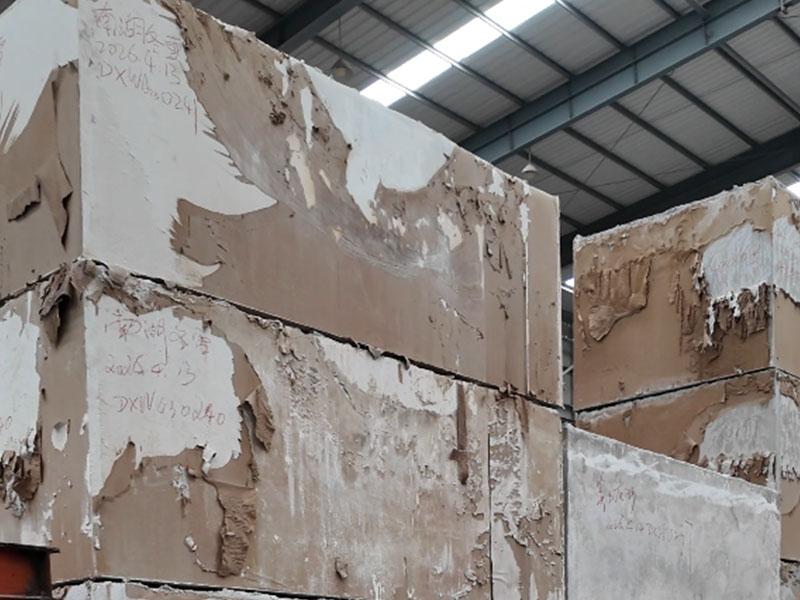
3. Durability: An Important Part of Sustainable Terrazzo Flooring
A building material's environmental value should not be judged only by the resources consumed during manufacturing. Its service life is equally important.
Terrazzo flooring is widely used in shopping centers, hotels, hospitals, schools, airports, and other public buildings. These environments experience regular foot traffic and require surfaces that can maintain their appearance under daily use.
Cement-based terrazzo combines mineral binders with stone aggregates to create a solid surface. When properly manufactured, installed, and maintained, it can provide long-term performance in suitable applications.
4. Terrazzo Applications in Modern Architecture
Terrazzo is no longer limited to traditional public building floors. Its range of colors, aggregate combinations, slab sizes, and surface finishes makes it suitable for different architectural applications.
Commercial and Public Flooring
Terrazzo flooring is commonly used in shopping centers, hotels, airports, hospitals, and office buildings. Its decorative patterns can create a consistent visual identity across large interior areas. Different base colors and aggregate sizes allow designers to coordinate the floor with furniture, lighting, and other finishes.
Wall Cladding
Precast terrazzo slabs can also be used for interior wall finishes. This allows designers to extend the same material style from floors to vertical surfaces. However, wall applications require careful consideration of slab weight, thickness, substrate conditions, and the appropriate mechanical or adhesive fixing system.
Staircases and Reception Areas
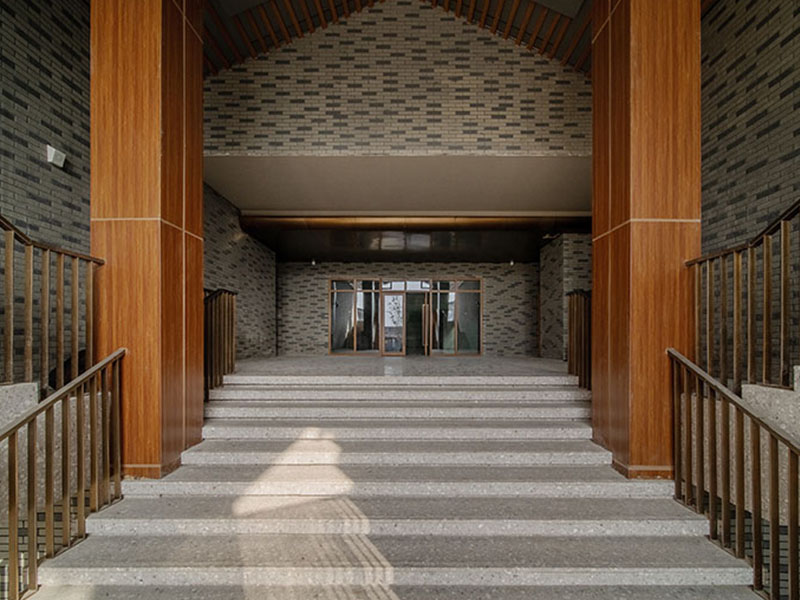
Terrazzo can connect entrances, staircases, and reception spaces through coordinated colors and aggregate patterns. These areas often form an important part of a building's first impression. The selected finish should also suit the expected use and relevant safety requirements.
Countertops and Decorative Surfaces
Selected terrazzo products can be fabricated into reception counters, tables, vanity tops, and other interior features. Their suitability depends on composition, thickness, finish, fabrication method, and intended use.
Each terrazzo application has different technical requirementas. A specification suitable for flooring should not automatically be used for walls or countertops. Designers and contractors should confirm the product details and installation method for each location.
5. Why Consider Inorganic Precast Terrazzo?
For projects that require consistent dimensions and repeatable surface patterns, precast terrazzo slabs offer an alternative to traditional cast-in-place construction.
Cast-in-place terrazzo is produced directly at the construction site. Precast terrazzo, by comparison, is manufactured in a factory and delivered as finished slabs or tiles. Both methods have their own applications, depending on project size, site conditions, design requirements, and installation schedules.
At Dongxing, we focus on inorganic precast terrazzo. Our products use a cement-based binder system with selected stone aggregates. Unlike resin-based terrazzo, they do not rely on epoxy or polyester resin as their primary binder.
We offer different base colors, aggregate combinations, slab sizes, and surface finishes for architectural and commercial projects. Factory production allows quality checks before delivery and helps maintain consistency across batches.
6. What to Consider When Choosing Sustainable Terrazzo
The term "sustainable" can mean different things in different building projects. Instead of relying only on general marketing descriptions, buyers should review measurable product information.
Here are several factors worth checking:
Material composition: Confirm whether the product uses cement-based binders, epoxy resin, polyester resin, or another system.
Recycled content: Ask whether recycled aggregates are included.
VOC emissions: Request relevant test reports when indoor air quality is a priority. Installation materials should also be considered.
Service life and maintenance: Check recommended cleaning methods, sealing requirements, and possible renovation procedures.
Transportation and installation: Shipping distance, packaging, and installation systems can also affect the overall environmental footprint.
Frequently Asked Questions
Is terrazzo flooring environmentally friendly?
Terrazzo can support sustainable building design through its potential use of recycled aggregates, durability, and long service life. Its actual environmental impact depends on its composition, manufacturing, transportation, installation, and maintenance.
Is cement-based terrazzo inorganic?
Yes. Cement-based terrazzo is generally classified as inorganic because its primary binder is cement or another mineral-based material rather than organic resin.
Does all terrazzo contain recycled materials?
No. Some products use recycled glass, stone offcuts, or ceramic fragments, while others use newly sourced aggregates. Buyers should confirm the actual recycled content with the manufacturer.
Is terrazzo suitable for commercial flooring?
Yes. Terrazzo is widely used in hotels, shopping centers, hospitals, offices, and public buildings. The product specification should match the expected foot traffic, installation conditions, and maintenance requirements.
Can terrazzo be used on walls?
Yes. Precast terrazzo slabs can be used for interior wall cladding when their weight, thickness, substrate conditions, and fixing systems are properly evaluated.