What Makes Inorganic Terrazzo Different?
What Makes Inorganic Terrazzo Different?
Terrazzo has become an increasingly popular surface material in modern architecture and interior design.
From shopping malls and airports to hotels, offices, and private homes, it offers a combination of natural
stone beauty, durability, and design flexibility.
One important type is inorganic terrazzo. Unlike resin-based terrazzo, it uses a mineral-based binder rather than
synthetic resin. It is also available in factory-made slabs and tiles, making it suitable for projects that require
consistent quality and efficient installation.
So, what makes inorganic terrazzo different, and why are more architects, designers, and contractors considering
it for their projects? Let's take a closer look.
1. What Is Inorganic Terrazzo?
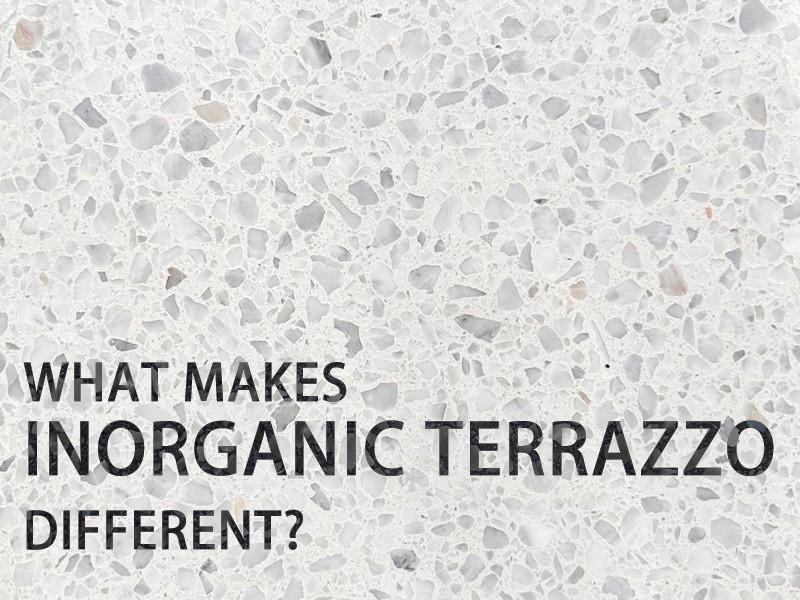
Inorganic terrazzo is a composite surface material made from natural mineral aggregates and an inorganic
cement-based binder. Common aggregates include marble, granite, quartz, shells, and other natural stone
materials.
During production, these materials are mixed in carefully controlled proportions and formed into slabs or tiles.
After curing, the surface goes through grinding and polishing to reveal the natural stone particles and create
its final appearance.
The main difference lies in its binder. Instead of using epoxy or polyester resin, inorganic terrazzo relies on
mineral-based materials to hold the aggregates together.
This gives the product a different material structure and makes it a suitable option for projects where designers
prefer cement-based materials and want to avoid synthetic resin binders.
At Dongxing Group, we focus on factory-produced inorganic terrazzo slabs and tiles. Our production process
combines Italian technology with modern manufacturing equipment to create products for different architectural
applications.
2. How Is Inorganic Terrazzo Different from Resin Terrazzo?
One of the most common questions from architects and buyers is how inorganic terrazzo compares with resin-based
products.
The biggest difference is the binding material, but there are also differences in production, surface properties, and
suitable applications.
Binder Composition
Inorganic terrazzo uses cement-based mineral binders to combine natural stone aggregates. Resin terrazzo, on the other
hand, uses synthetic materials such as epoxy or polyester resin.
Because of this difference, the two products have different material characteristics. Inorganic terrazzo is suitable for projects
that prefer mineral-based materials, while resin terrazzo offers other design and processing options.
Heat and Fire Performance
Fire performance is another important factor in material selection, especially in public buildings, shopping centers, and
transportation facilities.
Mineral-based terrazzo does not rely on an organic resin binder. This gives it an advantage when fire performance is an
important part of the project specification.
However, actual fire ratings depend on the complete product and its tested composition. Architects should always check
the manufacturer's test reports before making a final decision.
Appearance and Design
Both types can offer different colors, aggregate sizes, and surface finishes.
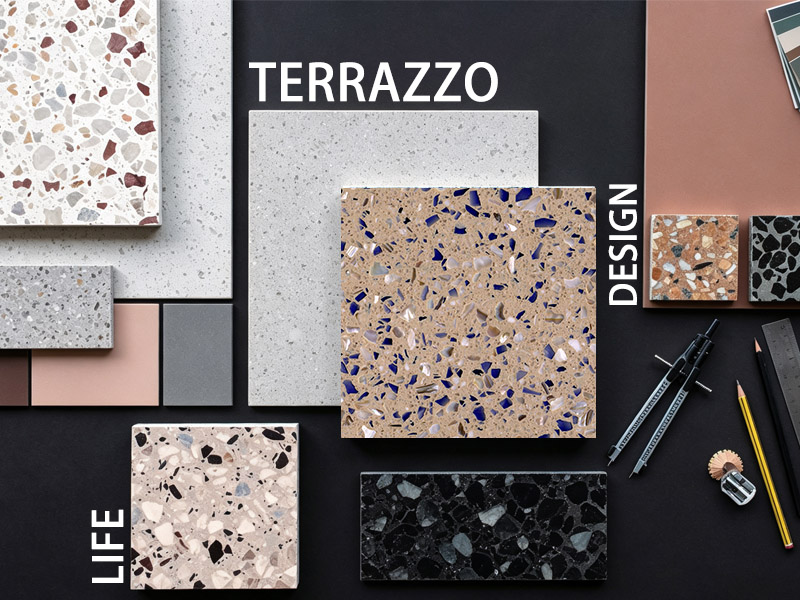
Inorganic terrazzo can use natural marble, granite, quartz, and other mineral aggregates to create different patterns. Designers
can select the background color, stone size, and aggregate combination according to the overall interior concept.
The result can range from simple and understated designs to bold patterns with large natural stone particles.
3. Why Factory Production Makes a Difference
Another important feature of modern inorganic terrazzo is its production method.
Unlike materials created directly at the construction site, precast terrazzo is manufactured in a controlled factory environment.
This allows manufacturers to manage raw material proportions, mixing, molding, curing, and surface finishing before delivery.
At Dongxing Group, our production process uses high-frequency vibration and vacuum high-pressure molding technology to
create dense and compact products.
The main production steps include:
Raw Material Selection: Natural stone aggregates are selected according to color, size, and quality requirements.
Mixing: Stone particles and inorganic binders are mixed in controlled proportions to achieve the required design and material
structure.
Molding: The mixture is placed into molds and formed using specialized production equipment.
Curing: The formed products go through a controlled curing process to develop the required strength.
Grinding and Polishing: The surface is processed to reveal the aggregates and achieve the selected finish.
Quality Inspection: Finished products are checked for dimensions, surface quality, and other technical requirements
before packaging.
Factory production helps reduce differences between batches and makes it easier to control product dimensions and
appearance. This is particularly useful for large projects that require repeated orders or consistent materials across
different areas.
4. Why Choose Precast Terrazzo for Modern Projects?
Precast products offer several practical advantages for architects, contractors, and project developers.
First, the products arrive at the construction site in ready-made slab or tile form. This means the main surface manufacturing
and polishing work has already been completed at the factory.
Second, factory production allows project teams to review samples and approve colors before mass production begins.
This helps reduce uncertainty during material selection.
Third, modular products can make construction planning easier. Contractors can arrange installation according to the project
schedule without carrying out the complete terrazzo production process on site.
For these reasons, precast terrazzo is suitable for shopping malls, hotels, office buildings, airports, and other commercial spaces.
It can also be used in residential interiors where designers want a decorative stone surface with a distinctive appearance.
5. Design Possibilities of Inorganic Terrazzo
Design is one of the strongest reasons why architects continue to use terrazzo.
By changing the aggregate materials, particle sizes, and background colors, manufacturers can produce a wide range of
visual effects.
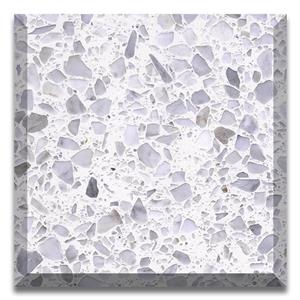
For example, white marble particles on a light background create a clean and bright appearance. Grey aggregates can give
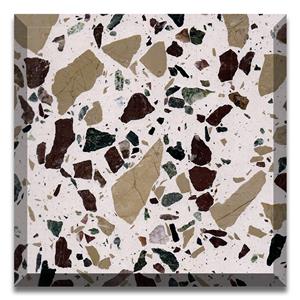
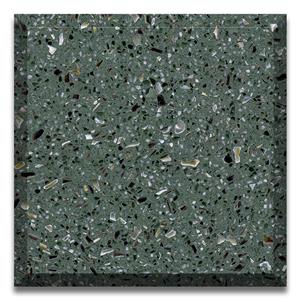
a more modern industrial feeling, while larger stone pieces create a stronger decorative effect.
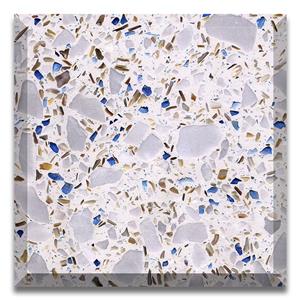
Dongxing Group offers different aggregate combinations, including marble, granite, quartz, and shell materials. These
options allow designers to explore different patterns without relying on a single standard design.
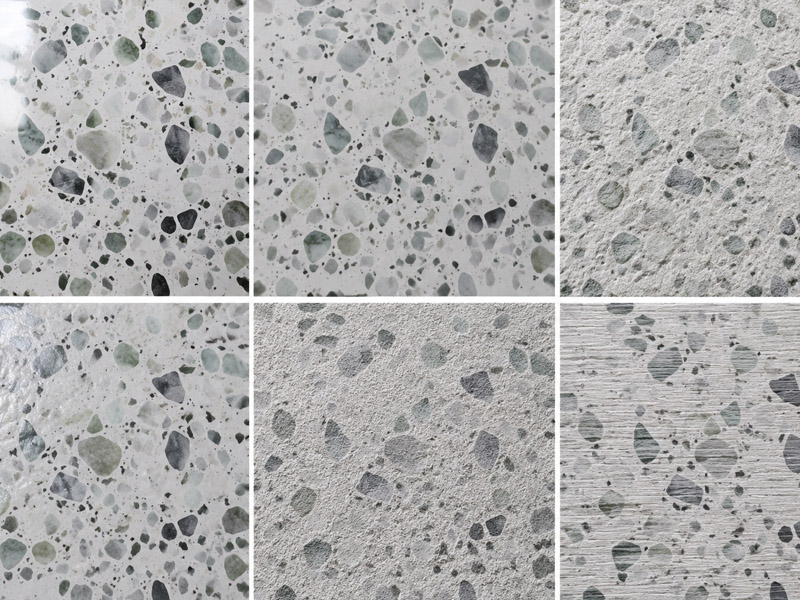
Surface finishes also influence the final appearance:
Polished: Creates a smooth surface with a clear shine.
Honed: Provides a softer, matte appearance.
Sandblasted: Creates a textured surface.
Leathered: Adds a distinctive surface feel.
Flamed: Produces a rougher texture where the product composition and processing method allow it.
These choices make inorganic terrazzo suitable for different interior styles and project requirements.
6. Applications of Inorganic Terrazzo
Because of its material composition and factory production method, inorganic terrazzo can be used in many architectural settings.
Commercial Buildings
Large commercial spaces often need flooring that can handle regular foot traffic while maintaining a clean and attractive appearance.
Terrazzo flooring is commonly considered for shopping malls, hotels, office buildings, and public facilities.
Wall Cladding
Terrazzo is not limited to horizontal surfaces. Properly designed and installed panels can also be used for interior wall applications.
Designers can use the same material on floors and walls to create a more connected interior style.
Residential Interiors
In homes, terrazzo can be used in living rooms, kitchens, hallways, and other interior areas. Its range of colors and patterns
allows it to work with wood, metal, glass, and other decorative materials.
The appropriate product thickness, fixing method, and surface finish should always be selected according to the intended application.
7. What Should Buyers Check Before Choosing a Manufacturer?
Selecting the right manufacturer is just as important as selecting the right material.
For international buyers, architects, and contractors, several factors deserve attention.
Material Composition: Confirm whether the product uses a cement-based inorganic binder or a resin binder. Do not rely
on the general product name alone.
Technical Data: Ask for test reports covering compressive strength, flexural strength, water absorption, abrasion resistance,
and fire performance where required.
Production Capacity: Large projects may require thousands of square meters. Make sure the manufacturer can maintain
stable production and consistent quality.
Samples and Color Approval: Review physical samples before confirming a large order. Natural stone aggregates may
have some variation, so sample approval is important.
Product Dimensions: Confirm slab sizes, thicknesses, tolerances, and available tile formats.
Installation Support: Ask the supplier for product recommendations, installation guidance, and technical information
suitable for the project.
Working with an experienced manufacturer can help reduce material selection risks and make communication easier
throughout the project.