What is terrazzo slab and Why Is It Popular?
What is terrazzo slab and Why Is It Popular?
In modern architecture and interior decoration, terrazzo has become one of the most popular surface
materials for both commercial and residential projects. Designers, architects, developers, and property owners
increasingly prefer terrazzo because it combines beauty, durability, sustainability, and flexibility in a single material.
From luxury hotels to shopping malls, office buildings, villas, restaurants, and public spaces, terrazzo continues
to redefine contemporary design.
Many people ask: what is terrazzo, and why has it become such an important material in the construction industry?
The answer lies in its unique combination of performance and aesthetics. Terrazzo can create elegant surfaces with
endless design possibilities while also offering excellent long-term durability.
Today, terrazzo is no longer limited to traditional flooring. It is widely used for terrazzo floor, terrazzo wall,
countertops, staircases, furniture, facades, and many other decorative elements. With advancements in
manufacturing technology, modern terrazzo products now provide more colors, textures, and applications
than ever before.
This article explores what terrazzo is, why it is widely chosen by designers worldwide, and how terrazzo design
and terrazzo applications continue to shape modern architecture.
What Is Terrazzo?
When discussing decorative building materials, one common question is: what is terrazzo?
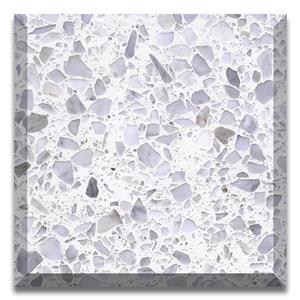
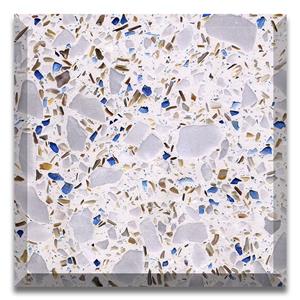
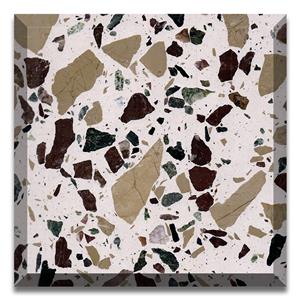
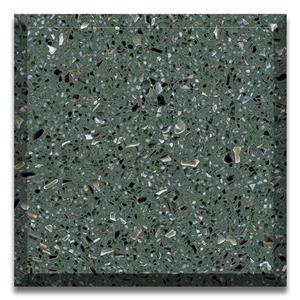
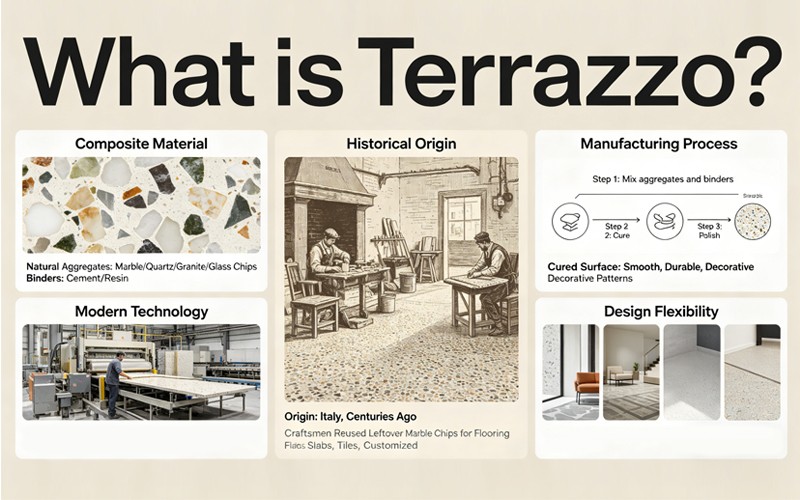
Terrazzo is a composite material made from natural aggregates such as marble, quartz, granite, or glass
chips mixed with cement or resin binders. After curing, the surface is polished to create a smooth and
durable finish with decorative patterns and textures.
Historically, terrazzo originated in Italy centuries ago, where craftsmen reused leftover marble chips to
create durable flooring surfaces. Over time, terrazzo evolved into a highly sophisticated architectural
material used worldwide.
Modern terrazzo manufacturing technology allows producers to create slabs, tiles, and customized products
with precise color consistency and high-quality finishes. Today’s terrazzo products can imitate natural stone
aesthetics or create completely unique artistic patterns.
The flexibility of terrazzo design makes it suitable for nearly every type of interior and exterior project.
Why Is Terrazzo Becoming More Popular?
The global demand for terrazzo continues to grow because it offers several major advantages compared to
traditional materials.
1. Exceptional Design Flexibility
One of the biggest reasons people choose terrazzo is its unlimited design potential. Designers can customize
aggregate size, color combinations, textures, and finishes to match different architectural styles.
Whether the project requires minimalist aesthetics, luxury interiors, or artistic decorative surfaces, it design
can easily adapt to the concept.
Unlike many natural stones with limited color availability, terrazzo allows greater creative freedom. Manufacturers
can create neutral tones, bold colors, large aggregate patterns, or fine minimalist finishes according to project
requirements.
This flexibility makes terrazzo especially attractive for modern commercial spaces, hotels, retail stores, and
high-end residences.
2. Excellent Durability
Durability is another important reason why terrazzo floor systems are widely used in public and commercial spaces.
Terrazzo surfaces are highly resistant to wear, impact, and heavy foot traffic. Airports, shopping centers, schools,
hospitals, and office buildings often use terrazzo flooring because it maintains its appearance for many years.
Compared to many traditional flooring materials, terrazzo requires less replacement and offers a longer service
life. Properly manufactured terrazzo can last for decades while maintaining its structural integrity and visual appeal.
This long lifespan makes terrazzo a cost-effective solution for large-scale architectural projects.
3. Low Maintenance Requirements
Modern property owners prefer materials that are easy to maintain. Terrazzo surfaces are dense, smooth,
and easy to clean.
A properly sealed terrazzo floor resists stains, moisture, and daily dirt accumulation. Regular sweeping and
occasional mopping are usually sufficient to maintain the surface.
Unlike some natural stones that require frequent maintenance, terrazzo offers a more practical solution for
busy commercial environments.
The low maintenance advantage is one reason terrazzo applications continue to expand across hospitality,
healthcare, and retail industries.
4. Sustainable and Environmentally Friendly
Sustainability has become a key consideration in modern architecture. Terrazzo is widely recognized
as an environmentally friendly material because it often incorporates recycled aggregates such as
marble chips, glass fragments, and other reused materials.
Many terrazzo manufacturers focus on sustainable production processes that reduce waste and improve
material efficiency.Additionally, terrazzo's long lifespan contributes to environmental sustainability by
reducing the need
for frequent replacement.
As green building standards become more important worldwide, terrazzo application continues to grow
in eco-conscious architectural projects.
Terrazzo Floor: A Timeless Choice for Modern Spaces
Among all terrazzo applications, the terrazzo floor remains the most popular.
Terrazzo flooring offers a perfect balance between durability and aesthetics. Its seamless appearance creates
clean and elegant interiors suitable for both modern and classic designs.
Advantages of Terrazzo Floor
Long Service Life
Terrazzo floors are known for their outstanding longevity. In high-traffic environments, they maintain their
polished appearance much longer than many alternative materials.
Seamless Visual Effect
Large terrazzo slabs can create expansive seamless surfaces, enhancing the sense of openness in a space.
Slip Resistance
Depending on the finish, terrazzo flooring can provide excellent slip resistance, making it suitable for
commercial and public projects.
Customization Options
Designers can customize terrazzo floor colors, aggregate sizes, and surface textures to create unique
project identities.
Terrazzo Design Trends in Contemporary Architecture
Modern terrazzo design has evolved far beyonad traditional flooring patterns.
Today, architects use terrazzo as a statement material that adds artistic value to spaces.
Minimalist Terrazzo Design
Neutral-colored terrazzo with fine aggregates is highly popular in minimalist interiors. White, beige,
gray, and soft earth tones create calm and sophisticated spaces.
Large Aggregate Terrazzo
Large marble chips create bold visual textures and luxurious aesthetics. This style is commonly used in
hotels, retail stores, and feature walls.
Colorful Terrazzo Design
Creative designers increasingly use colorful terrazzo surfaces to create dynamic interiors. Bright tones
and artistic patterns are often seen in cafes, fashion stores, and public spaces.
Custom Pattern Terrazzo
Advanced manufacturing technologies allow terrazzo producers to create customized logos, geometric
patterns, and artistic layouts for commercial branding projects.
The versatility of design makes it one of the most creative materials in modern architecture.
Terrazzo Wall: Expanding Decorative Possibilities
While terrazzo flooring remains dominant, the popularity of the terrazzo wall is rapidly increasing.
Terrazzo walls add texture, elegance, and visual depth to interior spaces. Compared with painted walls
or traditional stone cladding, terrazzo offers a more unique and durable decorative solution.
Common Terrazzo Wall Applications
Hotel Lobbies
Luxury hotels frequently use terrazzo walls to create premium interior atmospheres.
Bathroom Walls
Terrazzo wall panels provide moisture resistance and modern aesthetics for bathrooms and spa spaces.
Reception Areas
Corporate offices often use terrazzo walls to enhance brand image and create sophisticated reception
environments.
Retail Stores
Fashion brands and commercial spaces use terrazzo wall surfaces to create visually attractive interiors.
The combination of terrazzo floor and terrazzo wall applications allows designers to create cohesive
architectural experiences.
Terrazzo Application in Different Industries
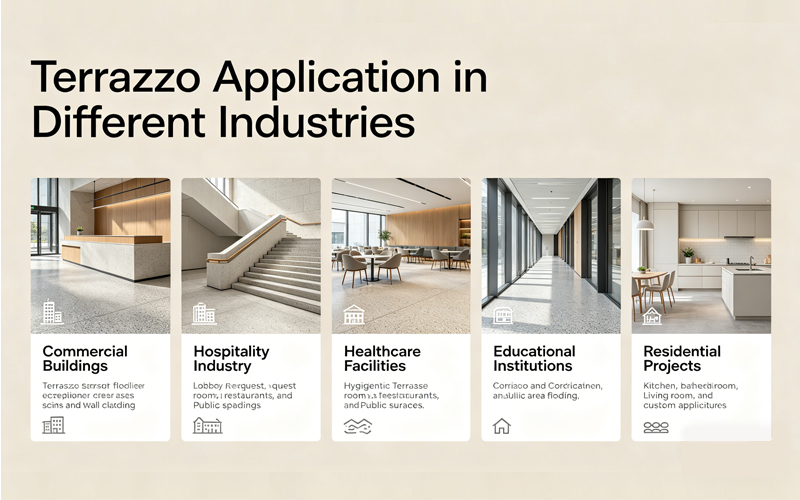
The versatility of terrazzo allows it to be used across numerous industries and architectural sectors.
Commercial Buildings
Office buildings use terrazzo for flooring, reception counters, staircases, and wall cladding because of its
durability and elegant appearance.
Hospitality Industry
Hotels and resorts often choose terrazzo application for lobbies, guest rooms, restaurants, and public spaces.
Healthcare Facilities
Hospitals and clinics prefer terrazzo because it is hygienic, easy to clean, and highly durable.
Educational Institutions
Schools and universities use terrazzo floor systems for corridors and public areas due to their long lifespan
and low maintenance.
Residential Projects
Modern homeowners increasingly select terrazzo for kitchens, bathrooms, living rooms, and custom furniture.
Terrazzo Compared with Natural Stone
Many clients compare terrazzo with marble, granite, and quartzite when selecting decorative materials.
More Design Freedom
Natural stone patterns are limited by nature, while terrazzo design can be fully customized.
Better Consistency
Terrazzo offers more stable color and pattern consistency across large projects.
Competitive Cost Efficiency
For large-scale projects, terrazzo can provide better budget control compared to some premium natural stones.
Easier Maintenance
Compared with certain natural stones, terrazzo surfaces often require less maintenance.
Although natural stone remains highly valued, terrazzo application offers practical and aesthetic advantages
that continue to attract architects and developers.
Modern Manufacturing Technology Improves Terrazzo Quality
The development of modern terrazzo factories has significantly improved product quality.
Advanced production equipment ensures precise control over raw materials, curing processes, surface polishing, and dimensional accuracy.
Professional terrazzo manufacturers now produce:
Large-format terrazzo slabs
Customized terrazzo tiles
Prefabricated terrazzo furniture
Terrazzo stair components
Terrazzo countertops
Curved terrazzo elements
With improved technology, terrazzo products now achieve higher density, better strength, and more refined finishes.
How to Choose the Right Terrazzo Design
Selecting the right terrazzo depends on several factors.
Consider the Space Style
Minimalist interiors often work best with neutral terrazzo colors, while artistic spaces may benefit from bold aggregate patterns.
Evaluate Traffic Requirements
Commercial projects with heavy foot traffic should prioritize highly durable terrazzo floor systems.
Choose Suitable Finishes
Polished terrazzo creates luxurious reflections, while matte finishes provide softer aesthetics.
Work with Professional Manufacturers
Experienced terrazzo manufacturers can provide technical guidance, color matching, and customized production solutions.
The Future of Terrazzo Application
As architecture continues evolving toward sustainability and customization, terrazzo application is expected to expand even further.
Designers increasingly appreciate materials that combine functionality with creative freedom. Terrazzo meets both requirements exceptionally well.
Future terrazzo trends may include:
Larger slab sizes
More sustainable materials
Advanced digital pattern customization
Lightweight terrazzo panels
Outdoor terrazzo innovations
Integrated architectural systems
With ongoing innovation, terrazzo will continue to play an important role in global architecture and interior design.
Conclusion
So, what is terrazzo? It is far more than a traditional decorative material. Terrazzo represents a modern architectural solution that combines durability, sustainability, creativity, and elegance.
From terrazzo floor systems to sophisticated terrazzo wall installations, terrazzo continues to transform commercial and residential spaces worldwide. Its design flexibility allows architects and designers to create unique environments while maintaining excellent performance and long-term value.
The growing popularity of terrazzo design reflects the increasing demand for materials that are both functional and visually distinctive. Whether used in hotels, offices, retail spaces, healthcare facilities, or luxury homes, terrazzo application offers endless possibilities.
For projects seeking durability, customization, and timeless aesthetics, terrazzo remains one of the best choices in modern architecture.