How Terrazzo Slab Are Manufactured | Terrazzo Factory Guide

How Terrazzo Slab Are Manufactured | Terrazzo Factory Guide
Introduction terrazzo slab
In modern architecture and interior design, material performance plays a critical role in both aesthetics
and functionality. Among decorative stone materials, terrazzo slab products have gained significant attention
due to their durability, versatility, and visual appeal. Today, many designers, architects, and contractors rely
on a professional terrazzo manufacturer to provide consistent quality materials for large-scale projects.
A well-established terrazzo factory plays a key role in ensuring that each slab meets strict production
standards. From raw material selection to final polishing, every stage affects the performance of the
finished product. As demand increases globally, understanding how a terrazzo supplier produces these
materials is essential for making informed decisions in construction and design projects.
This article explores the complete manufacturing process of terrazzo, from raw materials to final
installation-ready products, and explains why terrazzo remains one of the most widely used materials in
flooring systems, especially in high-traffic environments such as commercial buildings and luxury residential
spaces.
What Is a Terrazzo?
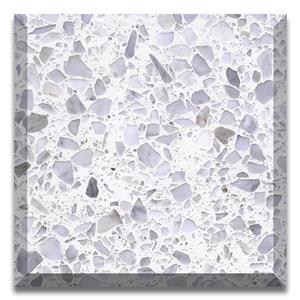
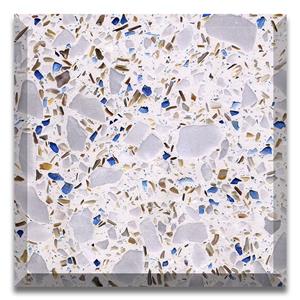
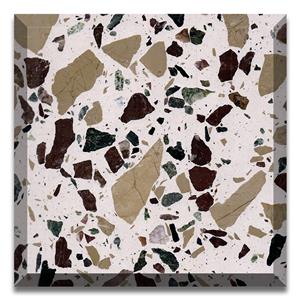
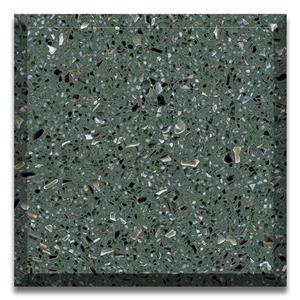
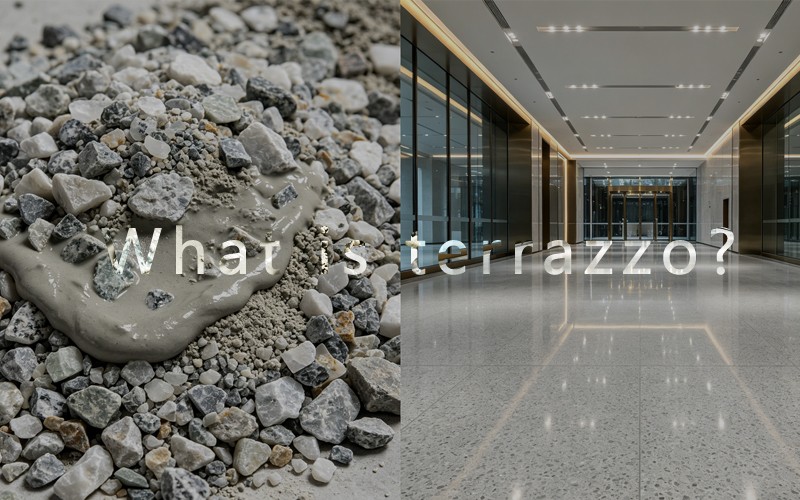
A terrazzo is a composite surface material made by combining natural stone aggregates such as marble,
quartz, or granite with a binding agent. Once cured and polished, it forms a strong and visually consistent surface.
In most modern applications, terrazzo are used for flooring, wall cladding, countertops, and architectural
features. A finished terrazzo floor offers a seamless appearance with high durability, making it suitable
for airports, hotels, shopping malls, and office buildings.
Unlike traditional stone materials, terrazzo allows greater flexibility in design because it can be customized
in terms of color, pattern, and aggregate size.
Role of a Terrazzo Manufacturer in Production
A professional terrazzo manufacturer is responsible for controlling every stage of production. This includes
raw material selection, mixing ratios, molding, curing, and surface finishing.
Quality control is essential because even small variations in composition can affect the strength and
appearance of the final slab. Manufacturers typically follow standardized production systems to ensure
consistency across batches.
Modern manufacturers also invest in advanced machinery to improve efficiency and reduce material waste.
This helps maintain stable pricing while ensuring high-quality output for global clients.
Raw Materials Selection
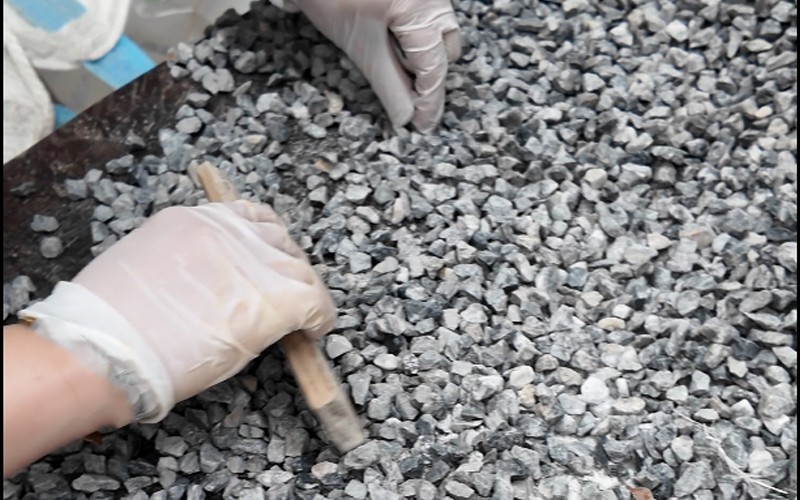
The first step in a terrazzo production process is selecting raw materials. These usually include:
Marble chips
Quartz aggregates
Granite fragments
Cement or resin binder
Pigments for color control
The selection of aggregates directly impacts the final appearance of the terrazzo surface. Larger chips
create a bold visual effect, while smaller aggregates produce a smoother and more uniform texture.
A reliable terrazzo factory carefully controls raw material sourcing to ensure consistency and performance
in the final product.
Mixing and Composition Process
Once raw materials are selected, they are mixed according to precise formulas. The ratio between binder
and aggregates determines the strength and density of the slab.
At this stage, pigments may be added to create different color variations. This allows architects and
designers to achieve specific visual effects that match project requirements.
A professional terrazzo manufacturer ensures that mixing is done under controlled conditions to avoid
air pockets or inconsistencies in the final structure.
Molding and Pressing Stage
After mixing, the terrazzo material is poured into molds that define the shape and thickness of the slab.
Hydraulic presses are often used to compress the material, removing excess air and increasing density.
This step is critical for ensuring the structural integrity of the final product. Proper compression improves
resistance to cracking and enhances long-term durability.
Once molded, the slabs are left to cure under controlled environmental conditions.
Curing Process
Curing is one of the most important stages in terrazzo production. During this period, the binder hardens
and bonds with the aggregates.
Depending on the production method, curing can take several days. Temperature and humidity are carefully
controlled to ensure uniform hardening.
A stable curing process ensures that the final terrazzo slab will perform well under heavy usage, especially
in flooring applications.
Grinding and Surface Finishing
After curing, the slabs undergo grinding to expose the decorative aggregates. This is what gives terrazzo
its characteristic appearance.
Industrial grinding machines are used to create a smooth and even surface. Multiple grinding stages may
be applied depending on the desired finish.
A polished surface is then achieved through mechanical polishing, which enhances both appearance and
durability.
A high-quality terrazzo floor requires precise finishing to ensure slip resistance and visual consistency.
Quality Control in a Terrazzo Factory
A modern terrazzo factory implements strict quality control measures at every stage of production. These include:
Raw material inspection
Compression testing
Surface uniformity checks
Color consistency evaluation
Strength and durability testing
Only slabs that meet strict standards are approved for shipment. This ensures that a terrazzo supplier
delivers reliable products for international construction projects.
Packaging and Distribution
Once production is complete, slabs are carefully packaged to prevent damage during transportation.
Protective materials are used to avoid surface scratches or edge chipping.
A global terrazzo supplier must also manage logistics efficiently to ensure timely delivery to construction
sites. This is especially important for large-scale commercial projects with strict deadlines.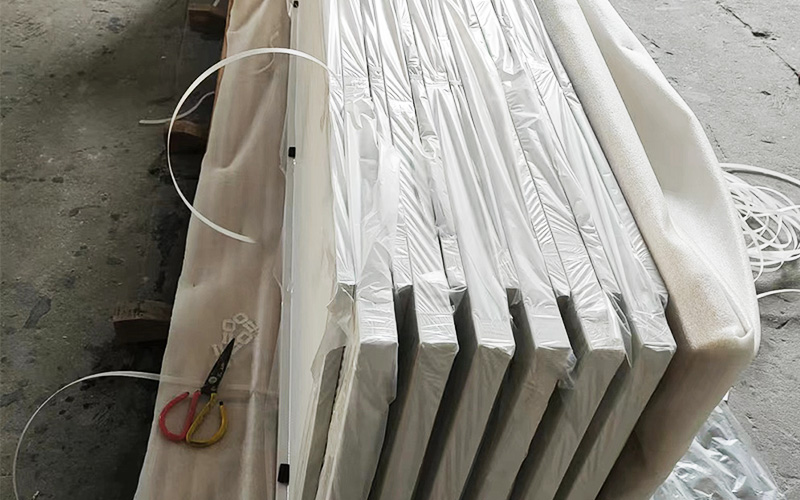
Applications of Terrazzo Slabs
Terrazzo slabs are widely used in various architectural applications, including:
Terrazzo floor systems in commercial buildings
Wall cladding in luxury interiors
Countertops in residential kitchens
Public space flooring in airports and malls
Decorative architectural elements
The flexibility of terrazzo makes it suitable for both functional and aesthetic applications.
Why Terrazzo Is Ideal for Flooring Systems
A terrazzo floor offers several advantages over traditional flooring materials:
High durability in heavy traffic areas
Low maintenance requirements
Long service life
Design flexibility
Resistance to wear and impact
Because of these benefits, terrazzo continues to be widely used in modern architecture.
Choosing the Right Terrazzo Slab Supplier
Selecting a reliable terrazzo slab supplier is essential for project success. Factors to consider include:
Production capacity
Quality consistency
Custom design capabilities
Delivery reliability
Technical support
A strong supplier relationship ensures that materials meet both aesthetic and technical requirements.
Conclusion
The production of terrazzo slabs involves a precise and controlled process that combines material science,
engineering, and craftsmanship. From raw material selection to final polishing, every step contributes to
the quality of the finished product.
Working with a professional terrazzo manufacturer and a reliable terrazzo factory ensures consistent
results across projects. As demand continues to grow globally, terrazzo remains a preferred material for
architects and designers seeking durable and visually flexible solutions.
Whether used in a terrazzo floor system or as architectural surfaces, terrazzo slabs continue to play a
significant role in modern construction. With the support of a trusted terrazzo slab supplier, this material
will remain a key choice in both commercial and residential design for years to come.
If you need terrazzo samples contact us.