Questions to Ask Before Ordering Custom Terrazzo
Questions to Ask Before Ordering Custom Terrazzo
Custom terrazzo gives architects, developers, and designers the freedom to create unique surfaces that
cannot be achieved with standard materials. From luxury hotels and retail stores to residential villas and
commercial buildings, custom terrazzo has become a preferred solution for projects that require durability,
distinctive aesthetics, and long-term performance.
However, ordering a customized product is very different from purchasing off-the-shelf materials. Every
decision—from aggregate selection to slab size—can influence production, installation, maintenance, and
project costs. Asking the right questions before placing an order helps avoid delays, unexpected expenses,
and design compromises.
This guide outlines the most important questions every buyer should ask before ordering terrazzo for their
next project.
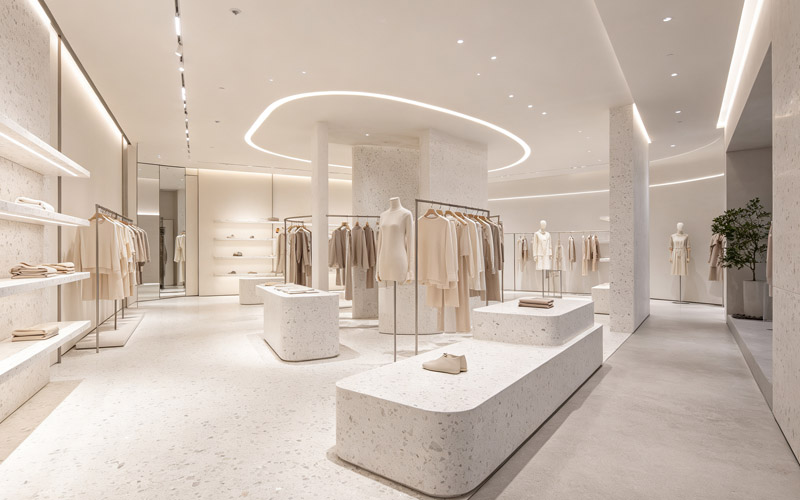
1. What Is the Purpose of the Project?
The first question should always focus on how the material will be used.
Different applications require different specifications. A hotel lobby has different performance requirements
than a residential bathroom or an outdoor terrace.
Consider:
Interior or exterior use
Floor or wall application
Wet or dry environment
Residential or commercial traffic
Decorative or structural purpose
Defining the project requirements early allows the manufacturer to recommend the most suitable solution.
2. What Kind of Terrazzo Design Best Fits the Space?
One of the biggest advantages of terrazzo is its design flexibility.
Before confirming production, think carefully about the overall visual style.
Questions to consider include:
Should the surface feel modern or classic?
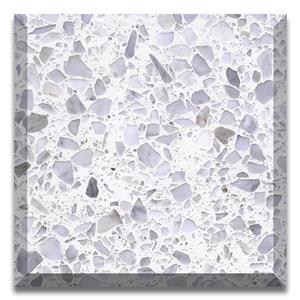
Do you prefer large marble chips or fine aggregates?
Should the color be neutral or bold?
Does the material need to match other natural stone?
A well-planned terrazzo design creates harmony with surrounding materials instead of competing with them.
Many architects prepare mood boards before selecting the final sample to ensure consistency across the project.
3. Which Aggregate Combination Should Be Selected?
The aggregates largely determine the final appearance.
Common options include:
White marble
Black marble
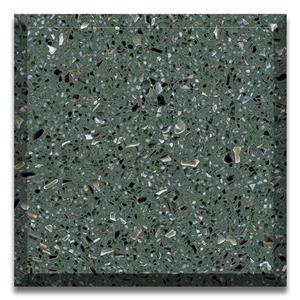
Green marble
Beige limestone
Granite
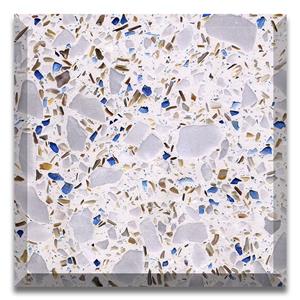
Shell fragments
Recycled stone
Different aggregate sizes also create completely different visual effects.
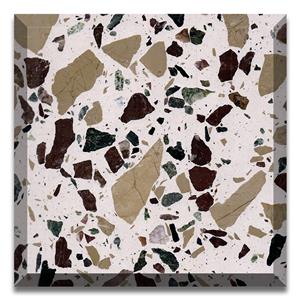
Large chips often create dramatic contemporary interiors, while smaller chips deliver a cleaner and more refined appearance.
Always request physical samples before mass production.
4. What Color Should the Base Be?
The cement base influences the entire visual balance.
A small change in background color can dramatically change the finished surface.
Popular choices include:
White
Light grey
Beige
Charcoal
Black
Custom colors
Many manufacturers can also produce customized color formulas based on project references.
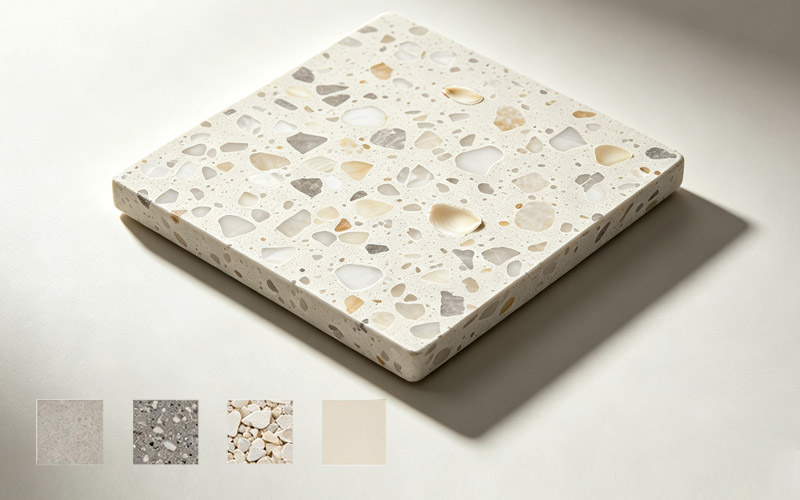
5. Which Terrazzo Slab Size Is Most Suitable?
Choosing the correct terrazzo slab dimensions can reduce installation time and material waste.
Ask your supplier:
What standard slab sizes are available?
Can custom sizes be manufactured?
What is the maximum production size?
How should slabs be cut for transportation?
Larger slabs create fewer joints but require more careful handling during installation.
6. What Thickness Does the Project Require?
Thickness depends on both structural requirements and installation methods.
Typical options include:
10 mm
12 mm
15 mm
20 mm
Custom thicknesses
For wall cladding, thinner panels may reduce overall building weight.
For heavy commercial flooring, thicker materials may offer additional strength.
Your supplier should recommend the most appropriate specification according to the project.
7. Is the Material Suitable for the Installation Environment?
Not every terrazzo product is designed for every environment.
Before ordering, ask whether the material is suitable for:
Outdoor exposure
UV resistance
Freeze-thaw conditions
Swimming pools
Commercial entrances
High-humidity areas
Understanding environmental performance helps prevent future maintenance issues.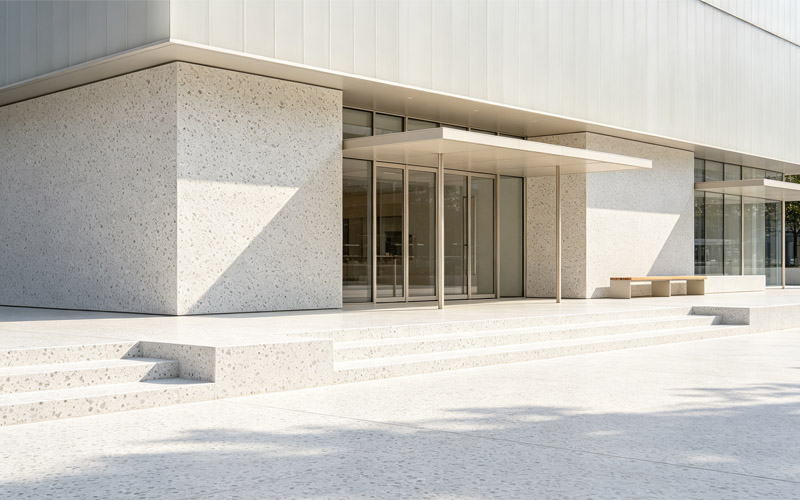
8. What Technical Performance Has Been Tested?
Appearance is important, but performance matters even more.
Request technical documentation covering:
Compressive strength
Flexural strength
Water absorption
Slip resistance
Fire performance
Density
Abrasion resistance
Reliable manufacturers provide third-party test reports to support product performance.
These documents are especially important for commercial and government projects.
9. Can the Manufacturer Produce Consistent Colors?
Color consistency becomes increasingly important as project size grows.
Ask how the manufacturer controls:
Raw material selection
Aggregate proportions
Cement batches
Production calibration
Quality inspection
Good production management minimizes visible differences between batches.
10. What Level of Customization Is Available?
Every manufacturer offers different customization capabilities.
Possible custom options include:
Colors
Aggregate mixtures
Surface finishes
Edge profiles
Special shapes
Waterjet patterns
CNC fabrication
Sink cut-outs
Stair treads
Discuss these requirements before production begins to avoid costly revisions.
11. What Surface Finish Is Recommended?
Different finishes create different visual and functional results.
Popular finishes include:
Polished
Honed
Matte
Leather finish
Brushed
Anti-slip finish
The correct finish depends on both design expectations and safety requirements.
For public terrazzo flooring, slip resistance should always be considered.
12. How Will the Material Be Packed and Delivered?
Large construction projects require reliable logistics.
Before confirming an order, ask about:
Protective packaging
Wooden crates
Edge protection
Slab labeling
Pallet identification
Shipping methods
Proper packaging reduces transportation damage and makes on-site installation more efficient.
13. What Is the Production Lead Time?
Custom products require manufacturing rather than inventory shipment.
Lead time usually depends on:
Design complexity
Quantity
Factory schedule
Material availability
Quality inspection
Shipping arrangements
Confirm production schedules early to keep the construction timeline on track.
14. Does the Supplier Provide Project Support?
An experienced manufacturer offers more than production.
Additional services may include:
Sample development
CAD drawings
Shop drawings
Layout recommendations
Quantity estimation
Installation guidance
Technical consultation
These services help reduce mistakes throughout the project lifecycle.
Why Choosing the Right Manufacturer Matters
A successful custom project depends on much more than attractive materials.
The best suppliers understand architecture, manufacturing, logistics, and construction requirements.
They communicate clearly throughout production, maintain strict quality control, and provide reliable
technical support.
Working with an experienced terrazzo manufacturer helps ensure your project achieves both its design
vision and long-term performance goals.
Final Thoughts
Ordering custom terrazzo is an investment in both design and durability. By asking the right questions
before production begins, architects, contractors, and developers can reduce project risks while achieving
better visual and technical results.
Whether you are selecting colors, planning a unique terrazzo design, choosing the right terrazzo slab,
or specifying durable terrazzo flooring, careful planning at the beginning of the process will save time,
reduce costs, and improve the final outcome.
If your project requires custom sizes, colors, or technical specifications, partnering with an experienced
manufacturer early in the design phase will help turn your ideas into finished surfaces that meet both
aesthetic and performance expectations.