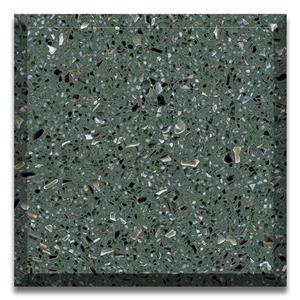
Why Terrazzo Flooring Is Ideal for Hospitals and Healthcare Spaces

In hospital and healthcare environments, flooring is far more than a visual decision. It directly affects hygiene control, durability, safety, maintenance costs, and the overall experience of patients and medical staff. For this reason, terrazzo flooring has become one of the most trusted and widely specified solutions in modern hospital projects worldwide.
From large public corridors to patient rooms and specialized medical zones, hospital terrazzo systems offer a rare combination of performance, design flexibility, and long-term value. This article explores why terrazzo flooring is particularly well suited for hospitals and healthcare spaces, and why it continues to be specified in high-standard medical projects.
The Demands of Hospital Flooring
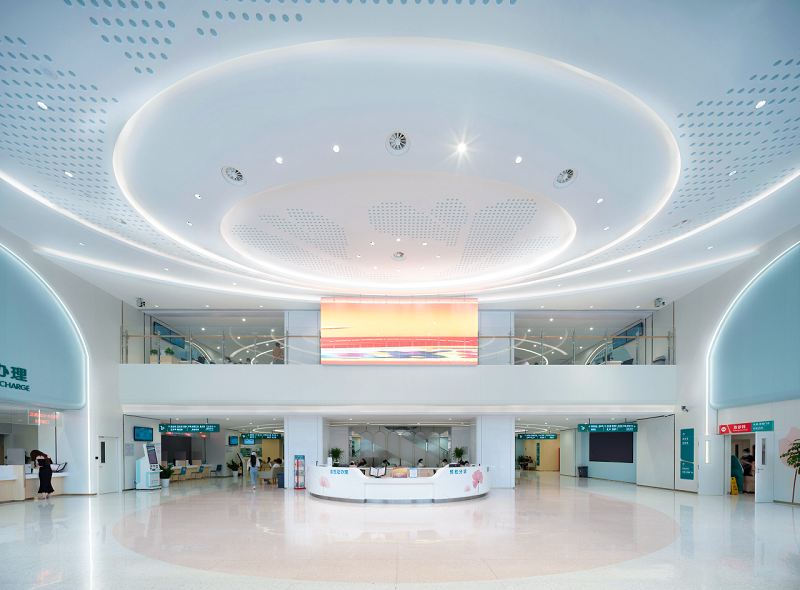
Healthcare spaces operate under conditions that most commercial buildings never face. Floors must withstand constant foot traffic, rolling medical equipment, cleaning chemicals, and strict hygiene protocols—all while maintaining a calm and reassuring atmosphere.
Hospital flooring must meet several critical requirements:
Long-term durability under heavy use
Low-joint surfaces to reduce bacteria growth
Easy maintenance and cleaning
Slip resistance for patient and staff safety
Design adaptability for wayfinding and zoning
Terrazzo flooring addresses all of these requirements in a single, integrated system.
Why Terrazzo Flooring Performs So Well in Hospitals
Exceptional Durability for High-Traffic Areas
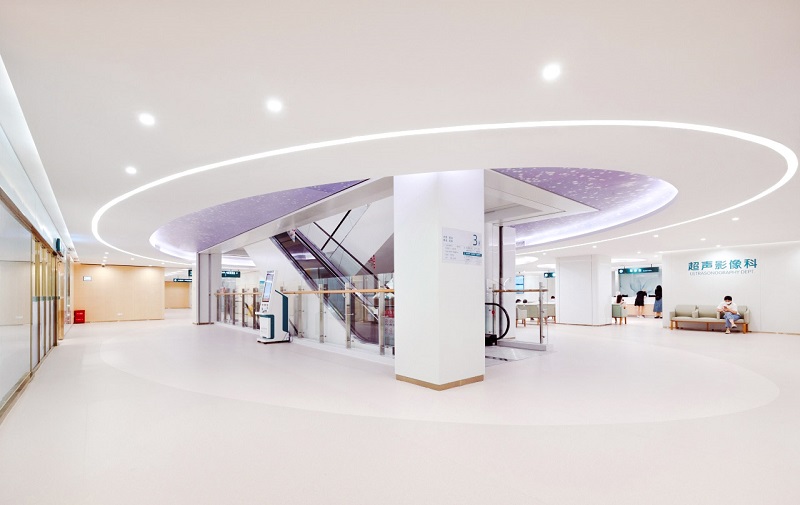
Hospitals operate 24/7. Corridors, waiting areas, and emergency departments experience continuous movement from patients, staff, and equipment. Unlike many soft or layered flooring materials, terrazzo flooring is a solid, monolithic surface designed to last for decades.
Properly manufactured and installed terrazzo floors resist cracking, impact damage, and surface wear far better than vinyl, epoxy coatings, or ceramic tiles. This durability significantly reduces long-term repair and replacement costs—an important factor in large hospital projects.
Hygiene and Cleanability
One of the strongest reasons hospitals choose terrazzo flooring is hygiene. Traditional terrazzo floors can be installed with minimal joints, and precast terrazzo systems allow for precise joint control and smooth transitions.
Inorganic terrazzo floor:
Does not trap dirt or bacteria
Is resistant to moisture penetration
Can withstand frequent cleaning and disinfecting
This makes hospital terrazzo especially suitable for operating corridors, outpatient areas, laboratories, and public circulation zones where cleanliness is critical.
Slip Resistance and Patient Safety
Safety is non-negotiable in healthcare environments. Terrazzo flooring can be engineered with specific surface finishes to provide slip resistance while maintaining a smooth, easy-to-clean surface.
By adjusting aggregates, polishing levels, and surface treatments, terrazzo floors can meet hospital safety standards without sacrificing aesthetics. This balance is particularly important in areas used by elderly patients, children, or individuals with limited mobility.
Terrazzo Design: Supporting Healing Environments
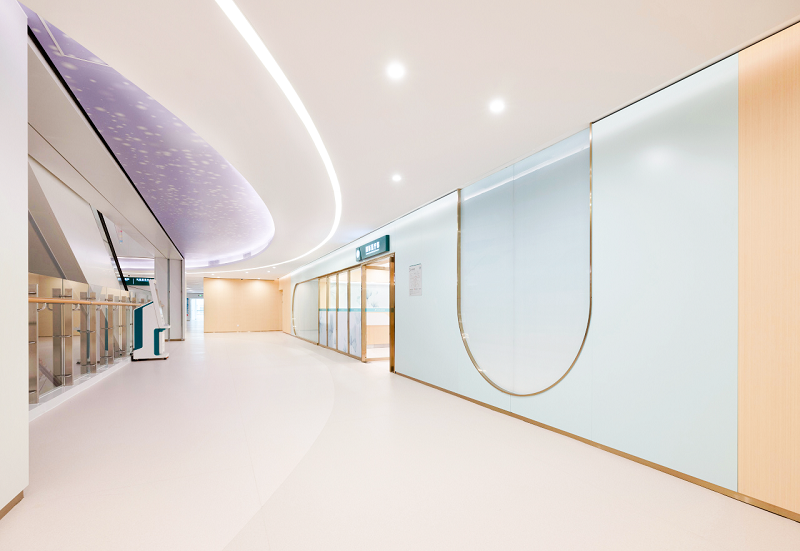
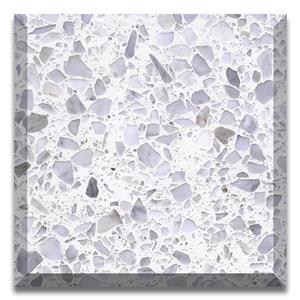
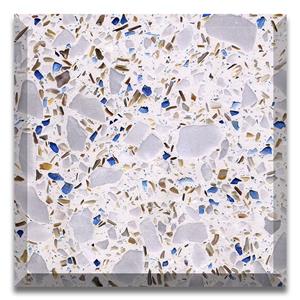
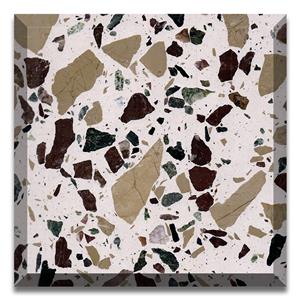
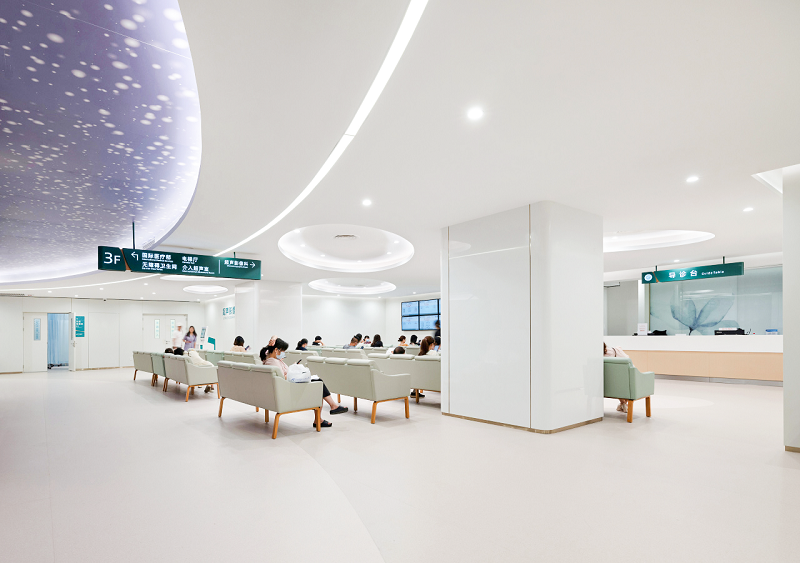
Modern healthcare design recognizes that surroundings influence patient recovery and emotional well-being. Terrazzo design offers unmatched flexibility in color, pattern, and texture, allowing hospitals to move beyond purely functional spaces.
With terrazzo flooring, designers can:
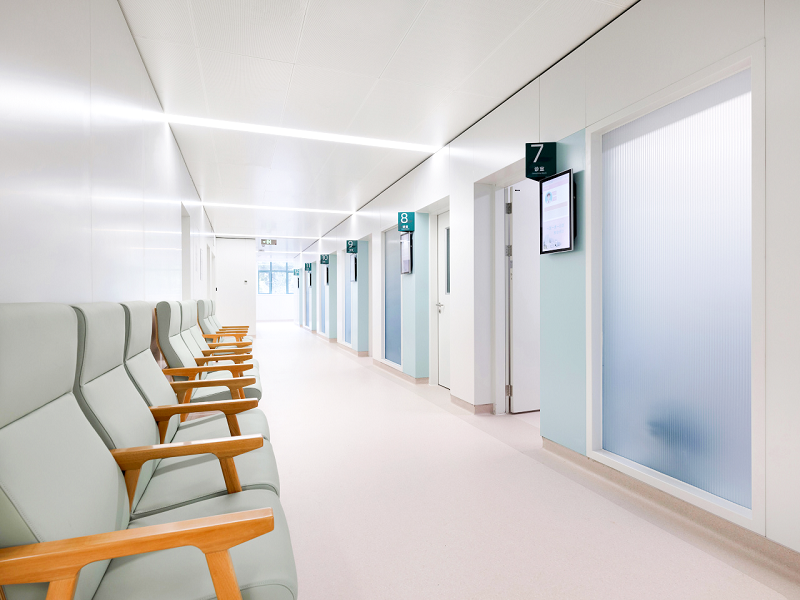
Create calm, neutral environments for patient rooms
Use color zoning to support wayfinding
Integrate patterns to reduce stress and visual fatigue
Match floors with walls, staircases, and countertops
This design freedom makes terrazzo ideal for hospitals seeking both performance and a welcoming atmosphere.
Hospital Terrazzo in Large-Scale Projects
Hospitals are often complex developments built in phases over many years. Consistency of materials is essential for future expansion and renovation. Hospital terrazzo systems allow for controlled color matching and material reproduction, ensuring visual continuity across different project stages.
In large healthcare developments, terrazzo flooring is commonly used in:
Main lobbies and reception areas
Public corridors and waiting zones
Pediatric and women’s health departments
Cafeterias and shared spaces
Because terrazzo floors age gracefully, older and newer areas can maintain a unified appearance over time.
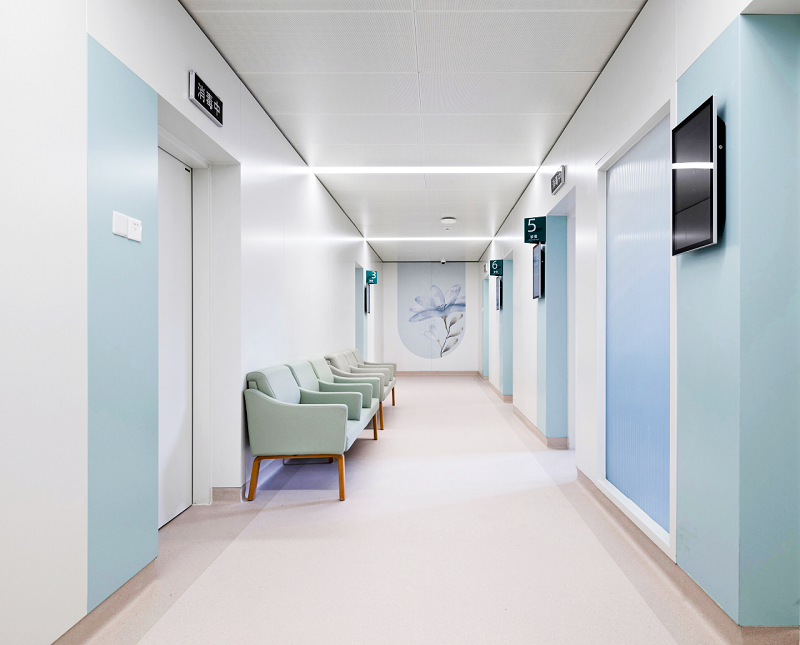
Terrazzo Floor Systems and Long-Term Value
While initial installation costs may be higher than some short-life flooring options, terrazzo flooring delivers exceptional lifecycle value. A properly installed terrazzo floor can last 40–60 years or more with minimal restoration.
For hospital owners and operators, this means:
Lower long-term maintenance costs
Fewer disruptions from floor replacement
Reduced material waste over the building’s lifespan
When evaluated from a lifecycle cost perspective, terrazzo floors are often one of the most economical choices for healthcare facilities.
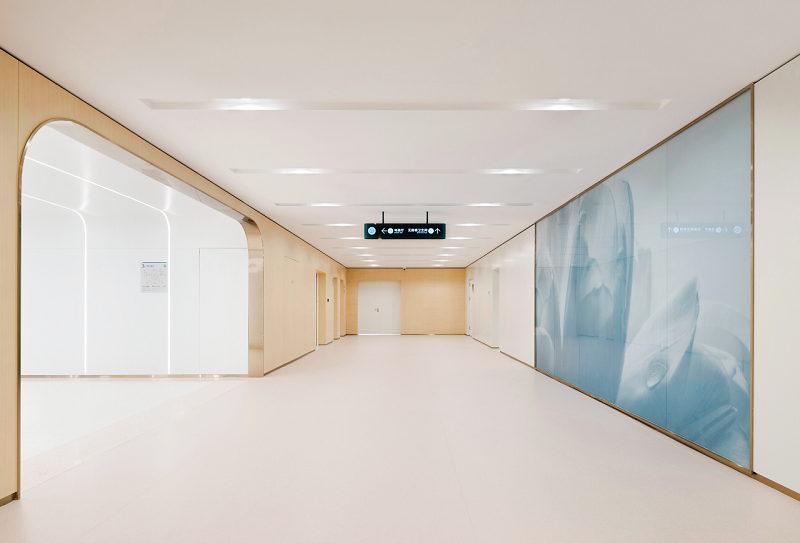
Sustainability and Responsible Material Choice
Sustainability is becoming increasingly important in hospital construction. Terrazzo flooring can incorporate recycled aggregates and locally sourced materials, supporting green building objectives.
Additionally, the long lifespan of terrazzo floors reduces the environmental impact associated with frequent replacement, making terrazzo a responsible choice for modern healthcare design.
Terrazzo Project Experience Matters
Not all terrazzo floors perform the same. The success of a hospital terrazzo installation depends heavily on material quality, manufacturing standards, and project experience.
For healthcare projects, it is essential to work with suppliers who understand:
Hospital performance requirements
Consistency in terrazzo design and production
Precision manufacturing for large-scale terrazzo projects
Coordination with architects and contractors
Experienced terrazzo manufacturers can support healthcare projects from material selection to technical documentation and long-term maintenance guidance.
Conclusion
From durability and hygiene to design flexibility and lifecycle value, terrazzo flooring continues to set the standard for hospital and healthcare spaces. Its ability to meet strict functional requirements while contributing to calming, well-designed environments makes it a preferred choice for modern medical facilities.
As hospitals evolve to serve growing populations and higher expectations, terrazzo flooring remains a proven solution—supporting both operational efficiency and patient-centered design.